


Sambuca from Molinari
Please note: stock and availability in our store may vary! More info
Molinari Sambuca
10360° view available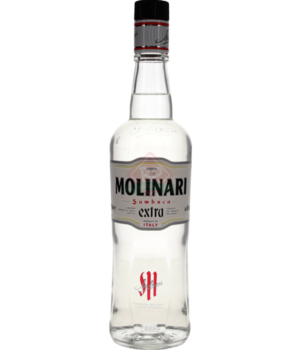
Molinari Sambuca
In stock
Molinari Sambuca is an Italian sambuca from the Molinari brand, bottled at 40% alcohol. It is a straightforward bottle in the best sense: clear in origin, clear in style, and immediately recognisable for anyone looking specifically for sambuca.
At Drankenshop Broekmans, we value products like this because they answer a very precise customer request: an Italian sambuca from Molinari with enough strength to stand firmly within its category.
Additional information about the brand can be found at https://www.molinari.it/
No specific tasting notes have been supplied for Molinari Sambuca. Based on the available data, it can only be described as an Italian sambuca at 40% alcohol, without adding unsupported details about aroma, palate or finish.Molinari Sambuca Caffe
LAST PIECES10360° view available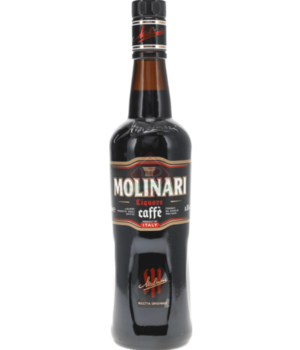

Molinari Sambuca Caffe
Very last one in stock!
Molinari Sambuca Caffè takes the Italian sambuca style in a coffee-led direction. The name is clear and direct: this is Molinari with a Caffè twist, a version that stands apart from a more traditional sambuca bottling.
At 36% ABV, it has the strength and presence expected from a liqueur in this category, while keeping its identity easy to understand. At Drankenshop Broekmans, we see it as a good bottle to consider when someone is looking specifically for Molinari Sambuca with a coffee character.
It is a popular reference, and only the last bottles remain. That makes it worth noting for anyone who has this particular Caffè edition in mind.
More information about Molinari can be found at https://www.molinari.it/
Molinari Sambuca Caffe
9360° view available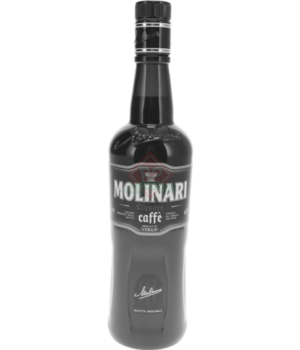
Molinari Sambuca Caffe
Temporarily sold out
Expected: 28/10/2026Molinari Sambuca Caffe has a very clear Italian identity: a sambuca from Molinari, with the caffè direction already stated in the name. It is the kind of bottle to look at when you want sambuca with a coffee-led angle rather than a purely classic expression.
At 32% alcohol, it remains firmly in the Italian liqueur world, made for measured serving and a more deliberate drinking moment. At Drankenshop Broekmans, we see this Molinari as part of that after-dinner Italian tradition, especially for customers drawn to the meeting point between sambuca and coffee.
Additional information about the brand can be found at https://www.molinari.it/
No detailed tasting notes were supplied, so the flavour description is kept deliberately restrained. (…)
Frequently asked questions
Answers to the most frequently asked questions about aniseed drinks
What is Raki?
Raki is a traditional Turkish drink, often referred to as "the lion's milk" because of its milky colour when water is added. It is usually made from grapes or sultanas, with the addition of anise seeds. Raki is often drunk as an aperitif and goes well with mezes, small snacks popular in Turkish cuisine.
What is Pastis?
Pastis is a popular French aperitif drink that originated in Provence. It was developed as a replacement for absinthe, which was banned in the early 20th century. The drink is based on star anise, liquorice and various herbs. When water is added to Pastis, the colour changes to a milky white, similar to Raki.
What is Sambuca?
Sambuca is an Italian liqueur with a strong anise flavour and a sweet profile. It is often drunk straight, with three coffee beans in it, symbolising health, wealth and happiness. Sambuca can also be served flambéed or as an additive in coffee.
What is Ouzo?
Ouzo is a Greek anise liqueur distilled from grape residues and flavoured with anise and other spices. Like Raki and Pastis, Ouzo turns into a milky substance when mixed with water. It is often enjoyed as an aperitif and goes well with Greek mezze.
What are the similarities between sambuca, raki, pastis and ouzo?
The most obvious common feature of these drinks is their anise flavour, which gives a sweet, aromatic and sometimes slightly sharp note to the drink.
In addition, Raki, Pastis and Ouzo share another common feature: their reaction to water, where they take on a milky colour through a process known as "louche". This phenomenon occurs when the essential oils in anise, which are soluble in alcohol but not in water, form emulsions.
What are the differences between sambuca, raki, pastis and ouzo?
Raki, Pastis and Ouzo have strong similarities, especially when combined with water. However, Raki often has a slightly stronger anise flavour, Pastis can have liquorice notes and Ouzo has a characteristic Greek spiciness.
The sweetness and ability to detect coffee beans makes Sambuca easier to distinguish from the other three anise drinks.
