


Port
Please note: stock and availability in our store may vary! More info
Dow's Colheita 2007
58360° view available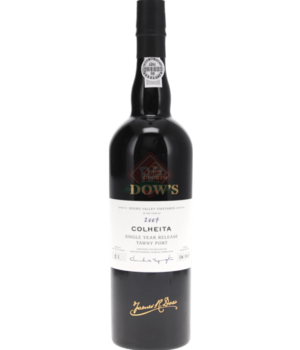

Dow's Colheita 2007
In stock
Dow's Colheita 2007 is a Port built around one harvest rather than a house style blended for consistency. Colheita means harvest, and in this case the wine comes from the outstanding wines of 2007, giving the bottle a clear vintage focus within the Tawny Port tradition.
The 2007 year is described in the supplied information as one of the most celebrated, shaped by a mild winter and a warm spring. For this release, the wines were specially selected for ageing by Charles Symington, Dow's master blender.
Like blended Tawny Ports, it matured in seasoned oak casks, yet the difference lies in its single-year identity. The fresh, pure fruit associated with 2007 remains central, while more than ten years of cask ageing adds polish and texture.
At (…)Graham's Blend N°12 Rood
43360° view available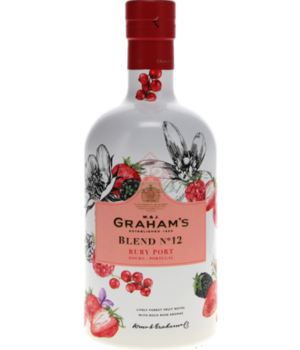
Graham's Blend N°12 Rood
In stock
Graham's Blend N°12 Rood is a red port from Portugal, produced under the Graham's name. The wording already gives it a little more identity than a straightforward category label: this is presented as a specific blend within the Graham's range.
At Drankenshop Broekmans, it sits well among bottles for customers looking for a red port with a recognisable house behind it. At 19% alcohol, it remains firmly within the familiar port style, while the Blend N°12 name gives it a more defined and contemporary feel than a purely generic red port.
No specific aroma, flavour or finish notes have been supplied for Graham's Blend N°12 Rood. The confirmed information is that it is a red port from Portugal with an alcohol strength of 19%.Graham's 30y Tawny Tube Incl.
91360° view available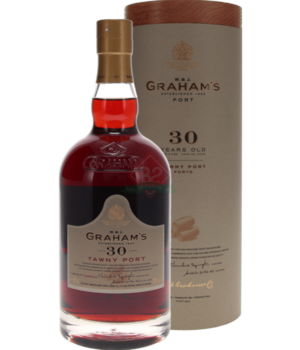

Graham's 30y Tawny Tube Incl.
In stock
Graham's 30y Tawny is a Portuguese port built around the presence of age. The 30-year statement gives it a very different standing from a young everyday port; this is a bottle where time is central to the experience.
At Drankenshop Broekmans, this Graham's sits comfortably among ports chosen by customers looking for a mature tawny from a recognisable house. At 20% alcohol, it remains firmly within the classic port category, while the 30-year indication gives it a more considered, special-occasion feel.
It is easy to understand why this bottle is often selected: a 30-year-old tawny port needs little explanation. The name itself already tells you that this is a more mature and deliberate choice.
No specific aroma or flavour notes are supplied for (…)Graham's Blend N°5 Wit
41360° view available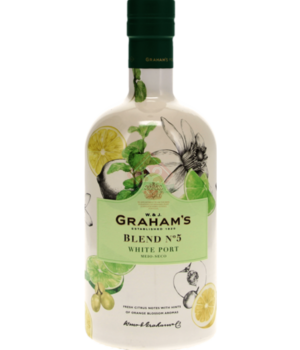
Graham's Blend N°5 Wit
In stock
Graham's Blend N°5 Wit highlights the white style within the world of port. This is a Portuguese white port from Graham's, bottled at 19%, with a name that immediately sets it apart from the more familiar red expressions of the category.
At Drankenshop Broekmans, white port is the kind of bottle that often catches the eye of customers looking to explore port from a slightly different perspective. Graham's Blend N°5 Wit stays firmly within the port tradition, while bringing a lighter colour and a distinct positioning within the range.
The available information is deliberately concise: Graham's, Portugal, white port and 19% alcohol. That allows the product to be introduced clearly, without adding aromas or flavour claims that are not supplied.
Graham's Six Grapes Reserve
30360° view available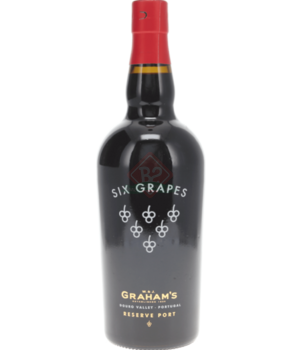
Graham's Six Grapes Reserve
In stock
Graham's Six Grapes Reserve is a Ruby Reserve Port that gives a very clear introduction to what makes this style so appealing. Ruby Port is about colour, fruit and immediacy: a ruby-red glass, lively fruit expression and a maturation approach designed to keep that fruit character intact.
For Six Grapes, Graham's takes that idea even further. The wines used for this Reserve generally spend less time in large oak vats than many other Ruby Ports, keeping the fruit firmly in focus while still giving the wine structure and depth.
The six-grape symbol on the bottle goes back to the 19th century. After each harvest, Graham's winemakers marked each cask according to the quality of the wine inside. Six grapes indicated wines of exceptional quality, with complexity, (…)
Frequently asked questions
Answers to the most frequently asked questions about postage
What is postage?
Port wine (also called port or porto) originates from Portugal, and is named after the city of Porto - a major port city by the sea, at the mouth of the Douro River. It is a fortified wine produced in the Douro Valley in northern Portugal. The exact origins of port are not fully documented, but it is widely believed that the English played an important role in its development.
During the 17th century, the English were already importing wine from Portugal. To better preserve the wine while travelling by sea, traders in the 17th century began adding a little brandy to the wine, increasing its alcohol concentration and shelf life. This process of fortification made the wine more resistant to spoilage during the long journey across the Atlantic to England.
Today, port is appreciated all over the world and there are different styles, ranging from dry to sweet and from young to long-aged port wines. And this blog wouldn't be 'Porto for dummies' if we didn't delve deeper into this, right? Lets go!
How is porto made?
The magic of port begins with the harvesting of grapes in the beautiful Douro Valley, usually from September to October. After the grapes are carefully pressed, the fermentation process begins where natural yeast cells convert the sugars in the grape juice into alcohol. But here comes the interesting part - halfway through this process, a powerful brandy is added, stopping the fermentation and giving the wine its distinctive sweetness and higher alcohol content. The port is then aged in large wooden barrels, where it develops its complex flavour before being bottled and ready to enjoy.
How do you drink port?
Port wine is not just a drink to enjoy as an aperitif before dinner or as a digestive after a delicious meal. It is also a versatile ingredient that can add a sophisticated touch to culinary creations. Port's rich flavours and complex aromas make it a perfect addition to a variety of dishes: from enriching sauces to refining desserts - the possibilities are endless.
Do you drink porto chilled or at room temperature?
At what temperature you optimally enjoy your porto depends on the type of port. As a general guideline, you can divide the differences in serving temperature as follows:
- Ruby port, Red port, Late Bottled Vintage (LBV) port, Vintage port is best enjoyed at a lightly chilled cellar temperature of around 14 to 18 degrees. If you drink these types too warm, they become unwieldy, heavy and alcoholic. But if you serve them too cold, you lose a lot of the aromas and nuances that make this type of port unique. A slight freshness balances these fruity portos perfectly, so just keep them in a cooler or unheated room.
- Tawny port may safely be served slightly cooler than ruby port. Indeed, a slightly lower temperature between 12 and 16 degrees brings out the nutty, caramel flavours of a tawny, making them perfect for desserts.
- White port is the coolest frog of the bunch. White port is light and summery, so it is best served chilled around 10 degrees: out of the fridge, on the rocks or in a simple cocktail with a bitter such as a tonic to balance things out.
How long can you store port?
The shelf life of an open bottle of port depends on the type of port and how well it is stored. It is important to always seal the opened bottle of port well with the original cork or an airtight stopper and keep it in the fridge to minimise oxidation. It is also recommended to store the bottle upright to prevent the cork from coming into contact with the port, which can lead to changes in flavour and aroma.
What is the difference between port and wine?
Port wine is also basically wine, but with a twist! While ordinary wine is made by letting nature take its course during the fermentation process, port wine is enhanced by adding brandy. This not only gives it a higher alcohol content, but also that sweet, luscious flavour we love so much.
What is ruby port?
Ruby port, also called red port, is a young and fruity style of port. It is characterised by its vibrant red colour and intense fruity flavours of cherries, raspberries and sometimes berries. Red port is usually aged briefly in barrels and is often bottled and sold as a young wine, without further maturation in bottle.
Graham's Six Grapes is a specific variety of ruby port produced by Graham's. It is a blend of different vintages and grape varieties, mainly Touriga Nacional, Touriga Franca and Tinta Roriz. Six Grapes is known for its quality and is considered one of Graham's most accessible and affordable port wines. It is therefore highly recommended, especially for lovers of fruity, young port wines.
An opened bottle of Ruby Port can generally be kept in the fridge for about 1 to 2 weeks before the flavour starts to wane.
What can you combine with red port?
Ruby port goes hand in hand with a range of flavours due to its versatile character:
- Cheese boards: Ruby port is an excellent choice to pair with a selection of cheeses, especially spicy and blue cheeses. The sweetness of the port is a perfect contrast to the salty and tangy flavours of the cheeses, resulting in heaven on earth!
- Chocolate desserts: The fruity and sweet flavours also go perfectly with chocolate desserts such as chocolate cake, brownies or truffles, for example.
- Red meat: Ruby port is a great companion for red meat dishes such as grilled beef, lamb or stews. The port's sweetness and fruitiness complement the savoury flavours of the meat, creating a perfectly balanced and flavourful combination.
- Fruity desserts: Besides chocolate desserts, ruby port also goes well with fruity desserts such as berry pie or apple crumble.
- Nuts and dried fruit: A simple but oh-so-delicious combination is to serve ruby port with an assortment of nuts and dried fruit.
What is tawny port?
Tawny port is a style of port wine characterised by its amber hue and complex flavour profile. Tawny port is obtained by long ageing (sometimes even decades) in wooden barrels. It can be divided into several categories based on age, such as Tawny port, Tawny port with an age indication (such as 10, 20, 30 or 40 years) and Colheita port, which is produced from grapes from a single vintage and aged for a long period, usually at least seven years, but sometimes even decades.
Tawny Port, especially if it has been aged for some time, can last slightly longer than Ruby Port. An opened bottle of Tawny Port can usually be stored in the fridge for about two to four weeks.
What can you pair with a tawny port?
Tawny port is a versatile wine that goes well with different types of food.
- Hard cheeses: Hard cheeses such as Cheddar, Gouda and Manchego are an excellent choice because of their salty and nutty flavours, which contrast nicely with the sweetness of the Tawny Port. The saltiness of the cheese can also enhance the flavour of the wine and bring out its fruity notes.
- Dark chocolate: Chocolate is another popular choice to pair with Tawny Port, especially dark chocolate with a high cocoa content.
- Dishes with a spicy/sweet flavour: In addition, dishes with a slightly spicy or sweet flavour can go well with Tawny Port, such as roasted meat with a fruity sauce or caramelised onions.
- Cigars: And finally, for cigar lovers, a Tawny Port can blend perfectly with mild to medium-bodied cigars.
What is the difference between a ruby port and a tawny port?
You can recognise the differences between a good Ruby port and a tasty Tawny port by the following pillars:
- Maturation process: A Ruby port usually matured for only a few years, while a Tawny port has matured for longer
- Colour: A Ruby port has an unmistakable deep dark, ruby red colour. A Tawny port can be recognised by its typical amber colour.
- Flavour profile: A Ruby port has a lively, fruity flavour, with notes of red berries, cherries and sometimes even hints of chocolate. Tawny port, on the other hand, has a more complex flavour profile, with notes of dried fruit, nuts, caramel and spices .
In other words, with a Ruby porto you get a fresh and fruity wine with a firm structure, while with a Tawny you opt for a softer texture and a more aged taste.
What is vintage port?
Vintage port is the crème de la crème of port wines, known for its unparalleled quality and exclusivity. It is made from grapes from just one harvest season, making each bottle tell a unique story about that particular year. Only in exceptional years, when the grapes are of exceptional quality, is Vintage port produced. As a result, the growing conditions of the grapes, including weather, soil and vine health, are vital to the final taste and quality of the wine.
Unlike other port styles, Vintage porto is aged for a relatively short time and usually not filtered before bottling. This gives the wine a chance to continue to evolve in the bottle and develop its natural sediment. Vintage portos stored properly are often the gems of the port world, and each glass offers an unforgettable experience.
Because Vintage porto has a higher alcohol content and more tannins, it can last longer than Ruby or Tawny porto after the bottle is opened. It can keep well for several weeks or even several months if properly sealed and stored in the fridge.
What is a Late Bottled Vintage port (LBV port)?
Like Vintage porto, LBV porto is produced from grapes from a single vintage. Unlike vintage porto, which is bottled after only two years of barrel maturation, LBV porto undergoes a longer maturation period in wooden barrels. This usually ranges from four to six years. Late Bottled Vintage porto generally has more complexity and depth than Ruby porto, but less than Vintage porto.
LBV porto is a popular choice for port wine lovers looking for a compromise between the youthful freshness of Ruby porto and the depth and complexity of Vintage porto.
What is white port?
White port is a style of port wine produced from white grape varieties rather than red grape varieties, as is common with red and Tawny port. White port can be further divided into three categories: dry white port, medium white port and sweet white port. It is produced similarly to red port, but with a shorter ageing time in wooden barrels to maintain freshness and fruitiness.
What is the difference between white port and red port?
The differences between white porto and red porto are reflected in five key characteristics:
- Grape varieties: Red port is mainly made from red grapes, such as Touriga Nacional, Touriga Franca and Tinta Roriz. White port, on the other hand, is made from only white grape varieties, such as Malvasia Fina, Gouveio, Viosinho,...
- Production method: The production method for red and white port is similar up to the point of fermentation. For red port, the grapes are fermented together with their skins. For white port, the grapes are pressed and fermentation takes place without the skins.
- Ageing process: In general, white port wines are aged for a shorter period of time than red port wines. White port is usually aged for a few years, while red port is often aged for much longer, sometimes even decades.
- Flavour profile: The shorter ageing time of white port generally results in a fresher and fruitier flavour, while red port wines develop more complex and deeper flavour profiles the longer they age.
- Serving style: White port is often served chilled, sometimes even with ice, as its refreshing and fruity flavours come into their own at lower temperatures. Red port, on the other hand, is usually served at room temperature or slightly chilled, as its rich and complex flavours come out best at these temperatures.
What types of white port are there?
White port has a wide range of flavour profiles, depending on the style and ageing process.
- Dry white port: This type of port often has a light and fresh taste with notes of citrus fruits such as lemon and grapefruit, along with floral aromas such as orange blossom, for example.
- Medium-dry white port: This style has slightly more body and sweetness than dry white port, with notes of ripe fruit such as peach, apricot and pear. It often has balanced acidity and a silky texture.
- Sweet white port: Sweet white port is rich and luscious in flavour, with prominent notes of dried fruits such as sultanas, figs and dates. It can also contain notes of honey, caramel and vanilla, along with a long, lingering finish.
Where can I buy postage or possibly have it delivered to my home?
If you are looking for a good and reliable place to buy the tastiest port and possibly have it delivered to your home, then Drankenshop Broekmans is the place for you. With more than 35 years of experience, we offer you the best spirits at the best price, and thanks to our large stock, you will usually receive your order the very next day.
