When it comes to sparkling wine, most people immediately think of Champagne or Prosecco. But Italy is home to a hidden gem that is at least as sophisticated: Franciacorta. This elegant sparkling wine from northern Italy has a rich history, an artisanal production process and a flavour profile that charms wine lovers all over the world. In this blog, you will discover what makes Franciacorta so special, which region this wine comes from and why it is considered the Italian answer to Champagne.
What is typical about Franciacorta?
Franciacorta is a high-quality sparkling wine produced using the traditional method, the same technique used for Champagne. This means that the second fermentation - which gives the wine its characteristic bubbles - takes place in the bottle. This gives Franciacorta a delicate mousse and complex aromas.
What sets Franciacorta apart from other Italian sparkling wines, such as Prosecco, is its focus on quality and craft. While Prosecco is usually produced via the tank method (method Charmat), Franciacorta deliberately opts for the traditional method, resulting in a richer and more nuanced flavour profile.
In addition, there are strict rules for production:
- Grape varieties: Franciacorta is made from Chardonnay, Pinot Noir and a small amount of Pinot Blanc.
- Maturation: The wine must mature on yeast cells for at least 18 months, while the Millesimato (wine from one vintage) requires at least 30 months of maturation. The Riserva matures for even a minimum of 60 months.
- Alcohol content: at least 11.5%, giving the wine a nice balance between freshness and power.
This long ageing time gives Franciacorta its distinctive notes of brioche, toasted nuts and ripe fruit, combined with a lively freshness and elegant mousse.
Which region does Franciacorta come from?
Franciacorta is produced in a small but prestigious region in Lombardy, in northern Italy. This region lies south of Lake Iseo and is surrounded by rolling hills and a mild climate, which is perfect for growing grapes.
Franciacorta's terroir is unique: the soils consist of limestone, clay and minerals left by glaciers during the last ice age. This creates wines with a distinct freshness, elegance and complexity. The climate, with warm summers and cool winters, contributes to the optimal ripening of the grapes, while the proximity to Lake Iseo provides tempering of extreme temperatures.
In 1967, Franciacorta received DOC (Denominazione di Origine Controllata) status and in 1995 it was promoted to DOCG (Denominazione di Origine Controllata e Garantita), the highest classification in Italy. This confirms the wine's exceptional quality and craftsmanship.

What Details Are There?
Franciacorta has several styles, each with its own character and charm:
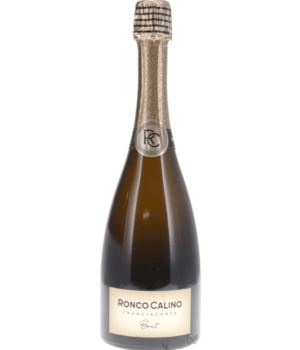
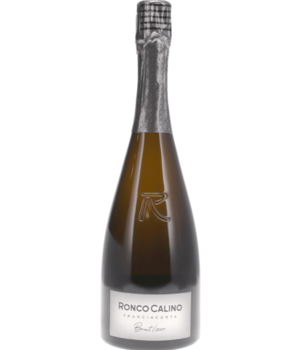
- Franciacorta Brut: The most classic style, dry and elegant with notes of citrus, apple and toasted nuts.
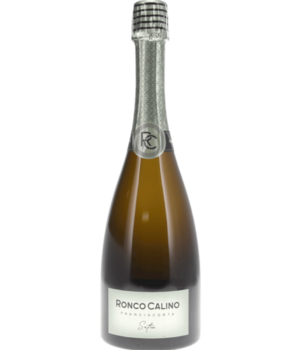
- Franciacorta Satèn: Exclusive to this region, made from only white grapes (mainly Chardonnay and a touch of Pinot Blanc). Satèn has a softer mousse and velvety texture, making it a refined and delicate wine.
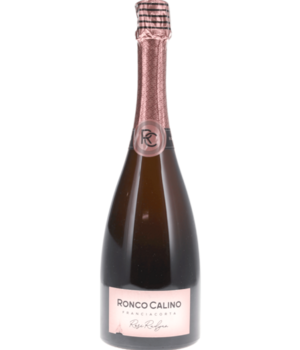
- Franciacorta Rosé: At least 35% Pinot Noir gives this wine its beautiful pink colour and aromas of red fruit, roses and a slight spiciness.
- Franciacorta Millesimato: Made only in exceptional vintages, with at least 30 months of aging on yeast cells. This wine offers extra complexity and depth.
- Franciacorta Riserva: The ultimate expression of Franciacorta, with at least 60 months of ageing. Full-bodied, powerful and with intense aromas of dried fruit, honey and brioche.
Another feature of Franciacorta is its focus on sustainability. Many wineries in this region work organically or biodynamically and strive to minimise their impact on the environment.
How Do You Drink Franciacorta?
Franciacorta is best served at a temperature of 6-8 °C to bring out its fresh acidity and fine bubbles. Thanks to its versatile flavour profile, this wine is suitable for a variety of occasions:
- As an aperitif: The fresh, sparkling taste makes Franciacorta ideal as an aperitif at festive occasions.
- With dishes: Pair Brut with oysters or sushi, Satèn with creamy pasta or risotto, and Rosé with poultry or soft cheeses.
- With desserts: A dry Franciacorta goes surprisingly well with desserts with red fruit or nuts.
Conclusion
Franciacorta is a hidden treasure that combines the elegance and complexity of Champagne with the Italian passion for winemaking. With its delicate mousse, rich aromas and versatile styles, it is a perfect choice for lovers looking for something special. Whether you are toasting a special occasion or just want to enjoy a glass of pure sophistication, Franciacorta never disappoints.

Blogger
The text you've just read was (partially) created with the help of ChatGPT . Although every story we write is thoroughly proofread and corrected with the help of ChatGPT, it can always happen that an error has crept in here and there that you, as a seasoned connoisseur, do not agree with.
Therefore, if after reading this blog you do not agree with certain statements that are put forward, please do not hesitate to let us know via service@broekmans.be so that we can further edit this text.
It is a conscious decision to explicitly mention that this blog article was written with the help of AI, as nothing is more valuable than the work, preparations and efforts made by "real" bloggers when they publish blog articles on our webshop (or elsewhere) that are not supported by AI.