


Spumante
Please note: stock and availability in our store may vary! More info
Cantine Sardus Pater Ad49 Vermentino Di Sardegna Spumante Metodo Classico 2021
12360° view available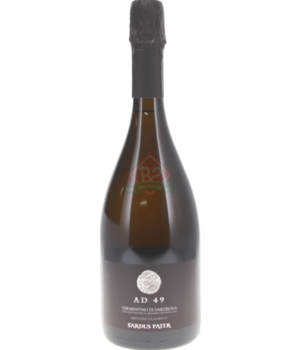
Cantine Sardus Pater Ad49 Vermentino Di Sardegna Spumante Metodo Classico 2021
In stock
Cantine Sardus Pater AD49 Vermentino di Sardegna Spumante Metodo Classico 2021 is an Italian sparkling wine with a clearly Sardinian identity on the label. Its name already tells the main story: Sardus Pater as producer, Vermentino di Sardegna as the key reference, the 2021 vintage, and Metodo Classico as the stated sparkling wine style.
At Drankenshop Broekmans, this is the kind of bottle we would present to someone looking beyond a general Italian spumante. It carries a more specific sense of origin and style, with Sardegna and Vermentino di Sardegna placed right at the centre of its identity.
At 13% alcohol, it sits firmly within the sparkling wine category and can be approached as a serious spumante for an aperitif or a table setting, while staying (…)Mandrarossa Calamossa 2021
LAST PIECES5360° view available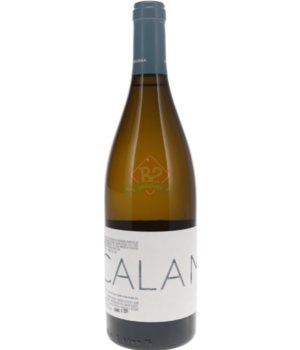

Mandrarossa Calamossa 2021
Not available for shipping
Mandrarossa Calamossa 2021 is an Italian spumante from Mandrarossa, with the 2021 vintage giving it a clear sense of identity. Rather than being just another sparkling wine, it points to a specific release from Italy under a recognisable name.
At Drankenshop Broekmans, we like bottles that are easy to understand yet still have their own place in the range. Calamossa 2021 fits that idea well: an Italian sparkling wine at 12% alcohol, suited to moments where brightness, movement and a festive touch are part of the occasion.
The fact that these are the last bottles adds a little urgency to this particular vintage. For anyone interested in Mandrarossa Calamossa 2021 specifically, availability is no longer open-ended.
Additional information about (…)Ruggeri Enrosadira Rose Di Pinot
20360° view available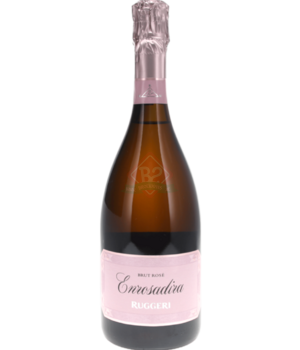
Ruggeri Enrosadira Rose Di Pinot
In stock
Ruggeri Enrosadira Rosé di Pinot is an Italian spumante with a clear focus on rosé sparkling wine. The name places Pinot at the centre, presented here by Ruggeri in a sparkling style with an alcohol strength of 12%.
At Drankenshop Broekmans, this bottle sits nicely among Italian sparkling wines for customers looking beyond the classic white bubble. As these are the last bottles, it is also a release with limited remaining availability.
No specific tasting notes have been provided for Ruggeri Enrosadira Rosé di Pinot. Based on the available information, it can be described as an Italian rosé spumante from Ruggeri with 12% alcohol.Ruggeri Valdobbiadene Superiore Di Cartizze Brut
1360° view available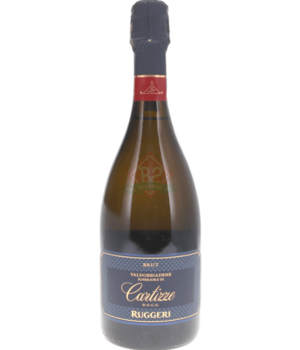
Ruggeri Valdobbiadene Superiore Di Cartizze Brut
In stock
Ruggeri Valdobbiadene Superiore Di Cartizze Brut is an Italian spumante with a very clear sense of identity from the outset. The name brings together Valdobbiadene Superiore, Cartizze and a Brut style, placing this bottle firmly within the Ruggeri range rather than among anonymous sparkling wines.
At Drankenshop Broekmans, this is the kind of bottle we would point out to someone specifically looking for Italian spumante with a precise origin stated on the label. At 11.5% alcohol, it remains moderate in strength and well suited to moments where finesse matters more than weight.
This item is currently marked as last bottles, so its place in our selection is becoming limited. That gives this Ruggeri an extra note of scarcity without turning the story into (…)Ruggeri Valdobbiadene Superiore Di Cartizze Dry
1360° view available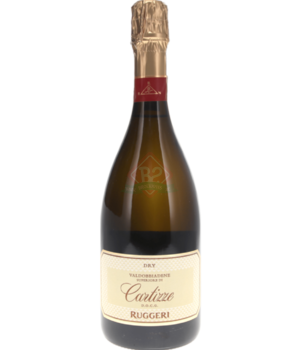
Ruggeri Valdobbiadene Superiore Di Cartizze Dry
In stock
Ruggeri Valdobbiadene Superiore Di Cartizze Dry is an Italian spumante with a name that immediately sets the scene: Ruggeri, Valdobbiadene Superiore di Cartizze, and a Dry style. It is the kind of bottle where the appeal lies in a clear Italian sparkling-wine identity rather than a long list of technical claims.
At Drankenshop Broekmans, this sits naturally among Italian sparkling wines for customers looking for something with a recognisable name and a refined sense of occasion. At 11.5% alcohol, it remains comfortably suited to aperitif moments, festive tables or any setting where a bottle of Italian bubbles feels appropriate.
As no detailed tasting notes have been supplied, we keep the description deliberately precise: this is Ruggeri's Valdobbiadene (…)
Frequently asked questions
Answers to the most frequently asked questions about sparkling wine
What is champagne?
Champagne comes from the region of the same name in France. Known as the king of sparkling wines, it is produced using the same méthode champenoise, with the second fermentation taking place in the bottle.
Chardonnay, Pinot Noir and Pinot Meunier are the main grape varieties used in Champagne.
Champagne is ideal for people looking for a premium sparkling wine for special occasions. It is often associated with luxury and is suitable for formal events, celebrations and toasting milestones. Champagne also tends to be the most expensive: the exclusivity of the Champagne region, the traditional production method and the prestige involved contribute to the higher price.
What is cava?
Cava is a Spanish sparkling wine, mainly produced in the regions of Catalonia. It is traditionally made using the méthode champenoise, which means the wine ferments in the bottle.
The main grape varieties for cava are Macabeo, Parellada and Xarel-lo, although other local varieties can also be used.
Cava is suitable for those looking for an affordable alternative to Champagne without sacrificing quality. It suits informal gatherings, parties and brunches well.
What is prosecco?
Prosecco comes from northern Italy, specifically the Veneto and Friuli-Venezia Giulia regions. It is usually produced using the charmat method, in which the second fermentation takes place in stainless steel tanks. This results in a fruitier and lighter character.
Glera is the main grape for Prosecco, although small amounts of other grapes can also be added.
Prosecco is perfect for people looking for a lighter and more accessible sparkling wine. It is ideal for informal gatherings, aperitifs and sunny days. Prosecco is often enjoyed with lighter appetisers.
What is franciacorta?
Franciacorta is a high-quality, Italian sparkling wine produced using the traditional method, the same technique used for champagne. This means that the second fermentation - which gives the wine its distinctive bubbles - takes place in the bottle. This gives franciacorta a delicate mousse and complex aromas.
What sets franciacorta apart from other sparkling wines like prosecco is its focus on quality and craft. While prosecco is usually produced via the tank method (method Charmat), franciacorta deliberately opts for the traditional method resulting in a richer and more nuanced flavour profile.
Franciacorta is produced in a small but prestigious region in Lombardy, in northern Italy. This region lies south of Lake Iseo and is surrounded by rolling hills and a mild climate, which is perfect for growing grapes. It is made from Chardonnay, Pinot Noir and a small amount of Pinot Blanc. The wine has to age on yeast cells for at least 18 months, while the Millesimato (wine from one vintage) requires at least 30 months of aging. The Riserva matures for even a minimum of 60 months.
What do the terms brut, sec, demi-sec and doux mean?
The differences between these terms lie in the amount of sugar added to the wine during the production process. In other words, exactly how sweet the sparkling wine is. The order in which these terms follow each other is linguistically rather confusing, so without background in these drinks, you won't see them reflected in the ranking you would expect.
- Brut: this is the most dry variety. Brut contains little to no added sugar, giving it a dry and fresh taste. A Brut sparkling wine usually contains up to 12g of sugar per litre, and this can even be less with a"brut nature" (3g/l) or an"extra brut" (6g/l). Again, the terminology contradicts what you would expect.
- Sec: contrary to what the name suggests, sec is not "dry" but actually sweeter than brut. Even more surprisingly, perhaps, it is less sweet than demi-sec. Sec contains a considerable amount of added sugar, giving it a softer and sweeter taste: in a sec sparkling wine, you will find up to 32g of sugar per litre, and in an"extra-sec" only 17g/l .
- Demi-sec/Semi-seco: this literally means semi-dry. You would therefore expect it to be in between brut and sec because of the "demi" nomenclature (translated as "half") but in practice a demi-sec is an even sweeter wine than sec . In a demi-sec you will find up to 50g of sugar per litre.
- Doux: this is the sweetest variant, with more than 50g of sugar per litre you get a very sweet drink.
From very dry to very sweet, the order is therefore: brut nature > extra brut > brut > extra sec > sec > demi-sec > doux
What makes Ruinart champagne so popular?
When we talk about champagne houses with history and prestige, Ruinart tops the list. As the oldest champagne house, founded in 1729 by Nicolas Ruinart in Reims, it exudes three centuries of craftsmanship, tradition and refinement. Yet Ruinart is not just a name of the past - the brand today remains one of the most popular choices among champagne connoisseurs and epicureans worldwide.
A special feature of Ruinart is its chalk cellars ("crayères") under Reims, which have even been recognised by UNESCO as a World Heritage Site. These impressive cellars, sometimes more than 30 metres deep, provide the ideal conditions for maturing champagne: cool, dark and constantly moist. This is where the wines develop their elegant and refined character.
Within Ruinart's range, the Blanc de Blancs is undoubtedly the star. As the name suggests, this champagne is made entirely from Chardonnay grapes, known for their finesse, freshness and aromatic power. It is a champagne that pairs beautifully with refined dishes such as oysters, ceviche, sushi or light fish dishes, but also makes an unforgettable impression as an aperitif.
Is there a sparkling wine linked to Tomorrowland?
Solo Vida Reserva is the result of artisanal craftsmanship and attention to detail. This wine is grown on vineyards located 500 metres above sea level, where the grapes grow under optimal conditions. From harvest to labelling, everything is done entirely manually - with love and dedication to the craft. The fruit is carefully selected from old vineyards known for their exceptional quality. Solo Vida Reserva undergoes a minimum maturation of 18 months, because results in a wine with complex and refined flavours.
Solo Vida Reserva is made from a blend of four different grape varieties: Chardonnay, Macabeo, Xarel-lo and Parellada. When tasting the wine, you will discover delicate notes of white fruit, such as apple and pear, which blend harmoniously. There are also hints of citrus mingling with floral notes and light aromas of ageing, creating a fascinating complexity of aroma. On the palate, Solo Vida Reserva presents itself as a fruity, dry and fresh wine, leaving a pleasant and complex finish. The mousse is very soft and creamy, and the finish is long-lasting, leaving you with a long aftertaste.
Designed by the creative minds of Tomorrowland, this wine exudes elegance and sophistication. The unique bottle design grabs immediate attention and adds a touch of magic to any occasion. It is not only a wine to drink, but also to admire.
