


Rum
Please note: stock and availability in our store may vary! More info
Clairin Vieux Communal
NEW120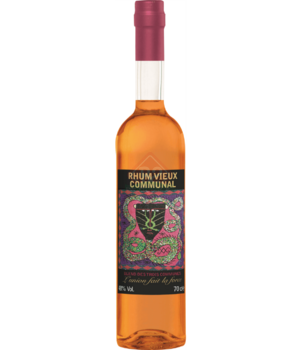

Clairin Vieux Communal
In stock
Clairin Vieux Communal gives a vivid impression of what makes Haitian clairin so distinctive within the world of rum. Part of The Spirit of Haiti project, it brings together four aged clairins: Vieux Sajous 2017 from a Mount Gay cask, Vieux Sajous 2021 from a Buffalo Trace cask, Vieux Le Rocher 2021 from a Jack Daniel's cask and Vieux Vaval 2019 from a Buffalo Trace cask.
Rather than focusing on one single distillery voice, this bottling presents a communal view of traditional Haitian craftsmanship. Made from pure sugar cane juice and sugar cane syrup, distilled in pot still and bottled at 48%, it has the strength and clarity to carry its fruity, floral and gently spiced character with confidence.
At Drankenshop Broekmans, this is the kind of rum we like to (…)El Dorado 12y + Glass Incl. Box
NEW21
El Dorado 12y + Glass Incl. Box
In stock
El Dorado 12y + Glas combines a 12-year-old rum from Guyana with a matching glass. That gives this edition a more complete feel: not just a bottle, but a presentation made for serving, sharing or giving as a thoughtful gift.
At Drankenshop Broekmans, this kind of rum set fits well for customers looking for a matured rum with a clear sense of origin. The 12-year age statement and 40% alcohol strength give it a composed, approachable place within the rum selection.
The included glass adds a practical and polished touch. It is easy to imagine this bottle coming out after dinner, during a quiet tasting moment, or as a present for someone who enjoys discovering rum from Guyana.
No specific aroma or flavour notes are included in the supplied (…)Hampden 2y 2024 R<>h (Velier)
NEW188

Hampden 2y 2024 R<>h (Velier)
Temporarily sold out
Hampden 2y 2024 R<>H is a young Jamaican rum with a very defined purpose: to showcase the new R<>H mark from Hampden Estate through a single cask selected by Velier. Rather than presenting a broad house style, it gives a close-up view of one cask, one mark and one short but intense period of maturation.
Distilled in 2024 on a pot still, the rum matured in Jamaica's tropical climate in an ex-Cognac cask from the Grande Champagne of Jean-Luc Pasquet. That cask detail adds an extra layer to the release, while the 57% bottling strength keeps the rum firm, expressive and close to its original energy.
At Drankenshop Broekmans, this is the kind of rum we like to introduce with a little context: only 392 bottles came from this cask, and it is now down to (…)Hampden Great House 10y 2026
NEW147
Hampden Great House 10y 2026
Temporarily sold out
Expected: 27/11/2026Hampden Great House 10y 2026 is a notable release within the Great House Distillery Edition, as it is the first 10-year-old bottling in this collection. Distilled in 2016 and matured entirely in Jamaica's tropical climate, it carries its age as a central part of its identity rather than as a simple label statement.
The small batch is built from three Hampden Estate marks: LROK, HLCF and OWH. That combination gives the rum its particular voice, bringing together maturity, freshness and aromatic weight. With pot still distillation and a strength of 55%, it has clear presence, yet the focus remains on the distillery character and the way the different marks interact.
At Drankenshop Broekmans, this is the kind of Jamaican molasses rum that deserves attention for (…)Hampden Pagos 2026 Incl. Box
NEW100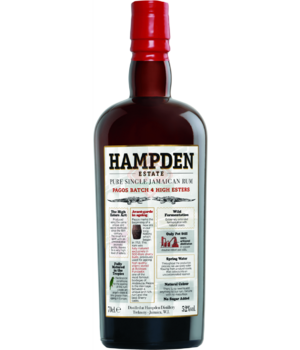
Hampden Pagos 2026 Incl. Box
In stock
Hampden Pagos 2026 shows a particularly expressive side of Hampden Estate: Jamaican molasses rum distilled in pot stills, built around a high-ester style and matured entirely in the tropics in sherry casks. Within the Pagos collection, this release stands out because Pagos #4 is the first High Esters expression in the range.
The blend brings together three Hampden marks: LROK 2022, LROK 2021 and HGML 2021. That gives the rum its vivid aromatic drive, while the 500-litre sherry casks from Bodegas Fundador add depth and elegance. The cask influence is clearly part of the story, yet the rum keeps the powerful and distinctive Hampden signature at its core.
At Drankenshop Broekmans, we see this as a rum for drinkers who enjoy Jamaican character with real presence: (…)Planteray Trinidad 2011 15y (Plantation Single Cask) Incl. Box
NEW90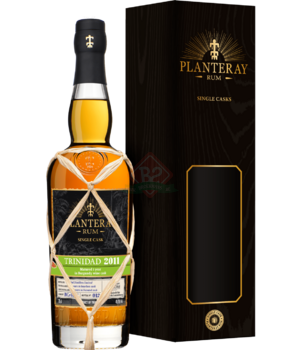
Planteray Trinidad 2011 15y (Plantation Single Cask) Incl. Box
In stock
Planteray Trinidad 2011 15y has the kind of story that makes a single cask rum immediately interesting: one origin, one individual cask and a release bottled exclusively for Belgium and Luxembourg to mark 20 years of The Nectar. With only 258 bottles produced, it feels much more like a specific snapshot than a standard rum expression.
Distilled in 2011 at Trinidad Distillers Limited using a traditional column still, it was matured in several stages. The rum first spent 10 years in bourbon cask in a tropical climate, followed by 4 years in Ferrand cask and a final year in Burgundy wine cask from pinot noir. That finishing period brings an extra red-fruit and fine tannin dimension, while keeping the Trinidad origin at the centre of the glass.
At Drankenshop (…)Providence 5y 2020
NEW
Providence 5y 2020
Temporarily sold out
Expected: 27/11/2026Providence 5y 2020 is a Haitian sugar cane juice rum produced in Port-au-Prince from the Cristalline cane variety. It has a clear sense of origin in the glass: the fresh cane character, the pot still distillation and the tropical maturation all remain part of the conversation.
The rum is distilled in a 1,500-litre pot still, heated by a bain-marie system and designed by the Alsatian family company Müller GmbH. Five years of tropical ageing in a bourbon barrel give it maturity, while the supplied tasting profile keeps pointing back to freshness, spice and elegant vegetal detail.
For Drankenshop Broekmans, this is the kind of rum that is worth presenting to drinkers who enjoy cane-driven character with real aromatic definition. At 50%, it has enough (…)Saint James Nectar Du Maitre De Chai
NEW59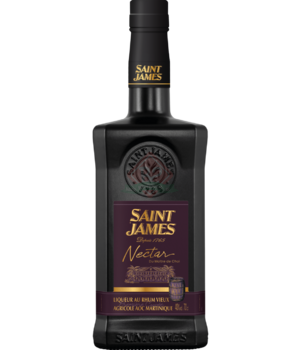
Saint James Nectar Du Maitre De Chai
In stock
Saint James Nectar du Maître de Chai is best understood as a rum liqueur built on aged rhum agricole rather than as a standard vieux rum. Its foundation is Rhum Saint James Vieux AOC Martinique, made from fresh sugar cane juice, so the link with Martinique's agricole tradition remains central.
The name points to Marc Sassier, the maître de chai at Saint James. For this cuvée, aged agricole rum matured for at least three years in cask on Martinique is enriched with a maceration of plums or prunes and Bourbon vanilla pods. That gives it a softer, sweeter digestif character while keeping the mature rum base clearly present.
At Drankenshop Broekmans, this is the sort of bottle we would introduce to someone who enjoys the depth of aged rum but (…)Vieux Sajous 2021 5y (Velier)
NEW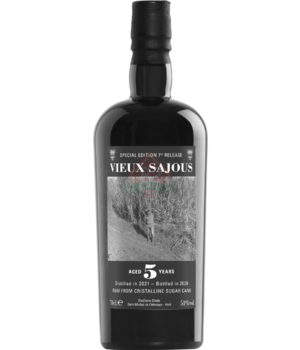
Vieux Sajous 2021 5y (Velier)
Temporarily sold out
Expected: 01/12/2026Vieux Sajous 2021 5y shows Haitian sugar cane juice rum in a particularly characterful way. Made at Michel Sajous' Chelo distillery from Cristalline sugar cane and distilled in a pot still, it keeps the fresh, vivid identity of clairin at its core.
Its five years of tropical maturation in Haiti add another layer to that profile. The rum was aged in Ex-Caroni cask and Oloroso Sherry cask, then assembled from five casks and bottled at 51%. With 3,700 bottles produced, it feels focused and deliberately composed rather than broadly commercial.
At Drankenshop Broekmans, this is the kind of rum we like to introduce to drinkers who want more than sweetness or oak alone: a Haitian rum with energy, aromatic depth and a clear link to its raw material.
Wpl 2009 Old Jamaican Rum (Velier)
NEW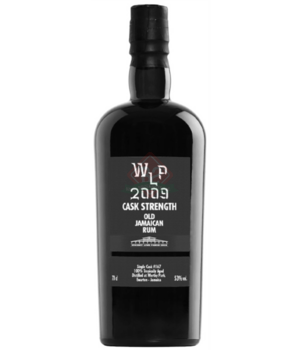
Wpl 2009 Old Jamaican Rum (Velier)
Temporarily sold out
Expected: 27/11/2026Wpl 2009 Old Jamaican Rum is a molasses-based Jamaican rum with a very clear sense of origin. Distilled at Worthy Park in 2009 and bottled in 2026, it brings together seventeen years of maturation with the firm, expressive nature of double-retort pot still distillation.
Its character is shaped by full tropical ageing in Jamaica, bottling without additives and a natural cask strength of 53%. That keeps the rum close to the cask and to the distillery style: concentrated, structured and aromatically assertive.
Single cask #167 was selected by La Maison & Velier for Whisky Live Paris 2026 and produced just 274 bottles. At Drankenshop Broekmans, this is the kind of rum we like to present when someone is looking for a limited Jamaican release with provenance, (…)
Frequently asked questions
Answers to most frequently asked questions about rum
What is rum?
Rum is a liquor made from sugar cane. It can be made via molasses (the syrupy by-product of sugar production) or via fresh sugarcane juice. After fermentation and distillation, you have the base, which is then often aged in wooden barrels. As simple as it sounds, the result is versatile: from light and fresh to deep and complex.
Europe has imposed rules and distinguishes between "rum" and "spirit drink". A drink can only be called rum if it:
-
is made from sugar cane products
-
is fermented and distilled
-
has a maximum alcohol content of 96% at distillation
-
contains at least 37.5% alcohol at bottling
-
contains no flavourings or large quantities of sugar
If producers do use extra flavourings, lots of sugar or other additives, it legally becomes "spirit drink" or "spirituose" instead of rum.
What is the difference between rum and spirit drink?
In Europe, this difference has come about mainly because of stricter and clearer rules around protected drink categories. "Rum" is not a non-committal marketing term in the EU, but a legally defined category. If a product does not exactly meet that definition, it can no longer officially be called rum and must be sold as a "spirit drink", for example.
The main rules are in the European geographical indications and spirit legislation, now under Regulation (EU) 2019/787.
The heart of the problem usually lies in one of these points:
- Added flavourings
Real rum may not simply be flavoured with, say, vanilla, chocolate or other distinct flavourings if it is still to be called "rum". Once the additives fall outside the permissible limits, it legally becomes a "spirit drink". - Added sugar or sweeteners
There are limits on how much sugar or sweetening can be added without losing the "rum" category. Some producers used to add relatively large amounts of sugar to make the drink softer or fuller. Stricter controls required those products to be relabelled. - Alcohol from other raw materials
Rum must come from sugar cane products such as molasses or sugar cane juice. If neutral alcohol of other origin is added (e.g. grain alcohol), the product falls outside the definition. - Production method or strength
Minimum alcohol percentages and production methods are also set by law.
Especially in recent years, enforcement has become stricter. As a result, you see that some brands that were sold as rum for years suddenly got "spirit drink", "spiced spirit drink" or "rum-based spirit drink" on the label.
A well-known example are certain "spiced rums". Many consumers still call them rum, but legally some of them cannot be called rum in Europe because they are too strongly flavoured or sweetened.
That does not necessarily mean the quality is worse - just that the product no longer fits within the strict EU definition of rum. Some enthusiasts actually find these stricter rules positive, as it makes it clearer what is pure rum and what is a flavoured variety.
Which rum is tasty?
The question "which rum is good?" seems simple, but the answer depends entirely on personal taste. Instead of immediately reaching for specific bottles, it makes more sense to first consider what you would like to drink. Do you like soft, sweet flavours like vanilla, caramel and honey, or do you rather prefer fresh and light notes like citrus and coconut? Maybe you just go for something more powerful with wood, spices and cocoa, or even a more pronounced, funky style with ripe fruit and an almost wild intensity. After all, rum is one of the most diverse spirits, and "tasty" means something different to everyone.
In addition, the moment also plays a role. A light, fresh rum comes into its own in cocktails and on hot days, while a richer, fuller rum is better suited to drinking on its own or as a digestif. There are also styles that sit somewhere in between: accessible enough for mixed drinks, but with enough character to appreciate solo as well.
By approaching the question in this way, you will not only discover what you yourself find a tasty rum, but you will also eventually begin to better understand why that rum suits you.
What types of rum are there?
The best-known subdivisions are white, gold and dark. White rum is bright, fresh and perfect for cocktails like mojito or daiquiri. Golden rum has a bit more body thanks to a short maturation. Dark rum matures longer and develops rich, spicy notes that you can safely drink pure. And then there is spiced rum, where spices like vanilla or cinnamon give it an extra sweet twist.
Broadly speaking, you can distinguish the following styles:
- White rum: clear and light in flavour
- Gold rum: golden, richer flavour than white rum with notes of caramel and vanilla
- Dark rum: dark, deep in colour, with rich and complex flavours such as molasses, chocolate and spices
- Spiced rum: flavoured with spices such as cinnamon, cloves and vanilla
- Overproof rum: high alcohol content, often above 50%
- Flavored rum: Added flavours such as coconut, pineapple or mango
What is English-style rum?
This rum is known for its full, rich and complex flavours. The English-style rum often has notes of molasses, caramel, fruit and spices.
This style rum is made from molasses and is often distilled in pot stills, resulting in a robust flavour profile. According to American Chemical Society, rums from pot stills contain more esters and higher alcohols, which contribute to the complex flavour.
Countries where the specific style of rum is traditionally produced include Jamaica, Barbados, Guyana and Trinidad. Well-known brands of English-style rums include Appleton Estate, Mount Gay and El Dorado.
What is Spanish-style rum?
Spanish-style rum ("Ron") is lighter and sweeter, with a smooth and refined taste. These rums often have notes of vanilla, caramel and tropical fruit.
It is made from molasses and often distilled in column stills, resulting in a lighter, purer rum. Column stills allow for more efficient distillation, giving the rum a more consistent character. Furthermore, these rums are often aged in a so-called Solera system.
Countries where the specific style of rum is traditionally produced: Cuba, Puerto Rico, Dominican Republic and Venezuela, brands like Bacardi, Ron Zacapa and Havana Club probably sound familiar.
What is Rhum Agricole (French style)?
French-style rum has an earthy, grassy and sometimes floral flavour. It is often complex and can range from light and fresh to rich and spicy. It is a real "love it or hate it" type of rum: some swear by it and others revile it.
This rum is made from freshly squeezed sugarcane juice and usually distilled in pot stills. Production often follows strict standards, such as the AOC (Appellation d'Origine Contrôlée) in Martinique, ensuring consistent and high-quality production.
Countries where this particular style of rum is traditionally produced: Martinique, Guadeloupe and Haiti. Well-known brands include Rhum Clément, Rhum JM and Barbancourt.
What do VS, VSOP and XO mean?
Unlike with cognac, these designations are not regulated within rum. These designations in rums therefore often say more about quality or style, but do not necessarily refer to an explicit (minimum) age of the spirit in the bottle.
How strong is rum?
Most rums are around 37.5% to 40% alcohol. But beware: there are also so-called overproof rums that easily exceed 60%. These will immediately spice up your cocktail - or provide a solid punch when drunk straight.
What is the difference between rum, cachaça and rhum agricole?
It's all in the base. Rum is usually made from molasses, while cachaça (from Brazil) and rhum agricole (from the French Caribbean) always come from fresh sugarcane juice. The result? Agricole and cachaça often have a somewhat grassy, spicy touch, while rum tends to be rounder and softer.
What rum do you use for cocktails?
For fresh mixed drinks such as a mojito or daiquiri, it is best to choose a light white rum. Tiki cocktails or a Dark 'n Stormy, on the other hand, get more depth from a dark or spicy rum. In short: your choice of rum makes all the difference in your glass.
Which rums can you drink pure?
Aged rums from Barbados, Jamaica or the Dominican Republic, for example, are often smooth, complex and ideal to enjoy pure. They can easily compete with a good whisky or cognac in terms of depth.
How does rum taste compared to whisky or brandy?
Rum tends to be sweeter and rounder thanks to the sugar cane. Whisky can be malty, spicy or smoky, while brandy is more likely to have fruity, wine-like notes. A matter of taste, but rum often has a more tropical character.
What is the maturation process for rum?
Rum usually matures in ex-bourbon barrels. Due to the warm climate in the Caribbean, this is faster than for whisky in Scotland. As a result, an 8-year-old rum can already taste surprisingly intense.
What is the difference between pot still rum and column still rum?
- Pot still-rum is rich, powerful and complex because it is distilled in smaller batches.
- Column still-rum is lighter and cleaner, ideal for blending.
Many brands combine both styles to get a balanced profile.
What does "solera" or "solera system rum" mean on a rum bottle?
Solera System rum refers to a maturation method where young and old rums flow together. In a Solera System, barrels of different ages are stacked on top of each other, with the oldest rum sitting at the bottom. Bottles are filled from these lower barrels, and then the barrel is replenished with rum from the row above, and so on. The result is a blend of quite a few different ages that results in a flavourful, complex final product that is still consistent in quality, style and recognisability. Because the oldest barrels at the bottom are always diluted with younger rums, the final product in a properly functioning Solera system, after decades of production, basically still contains traces of the very first, oldest rum the process ever started with.
The year number on the bottle then often refers to the oldest rum in the blend, not the average age.
Is rum always made from sugar cane?
Yes, that is a must. Whether it is molasses or sugarcane juice, rum must always come from sugarcane. Other sugars (beet, palm, etc.) are officially outside the definition.
The base for a rum can usually be reduced to one of the following groups:
- Molasses (molasses, syrup): Molasses is fermented and distilled, after which the rum can be aged in barrels. Molasses is a by-product of sugar production and contains many sugars that are converted into alcohol and complex flavourings during fermentation.
- Suger Cane Juice : This rum is known for its natural, unadulterated taste of sugar cane. In this rum, the juice is directly fermented and then distilled.
- Spiced rum: Base rum to which spices and sometimes additional flavours are added during or after the distillation process.
- Sugar Cane Syrup: Sugar cane syrup is fermented and distilled. The use of sugar cane syrup gives the rum a more concentrated and pure sugar cane flavour.
- Sugar Cane Honey: This substance, also known as "miel de caña" in Spanish, is a thick, syrupy liquid obtained by boiling the juice of sugar cane until it thickens, but before it crystallises into sugar. This method is less common and results in a rum with a unique, rich flavour.
- Arranged rum: Base rum is mixed with various flavourings and left to macerate for some time. This gives the rum a distinct and often sweet profile.
What is molasses?
Molasses is a syrupy by-product of sugar refining. It is created when sugar cane or sugar beet is processed to produce sugar.
What is the difference between white and dark rum?
The difference between white and dark rums is mainly in the production methods and ageing times, resulting in different flavours, colours and uses. White rum is clear and translucent, has a mild and light flavour with subtle notes, and is often aged for a shorter time than dark rum, usually in stainless steel tanks or neutral barrels to preserve its colour. This rum type is popular in cocktails such as mojitos and daiquiris, where a subtle rum flavour is desired without affecting the colour of the drink.
Dark rum, on the other hand, is dark brown to almost black in colour, with a rich and full-bodied flavour that contains complex notes of caramel, vanilla and sometimes spices. This rum is aged longer in oak barrels, which contributes to its dark colour and rich flavour. Sometimes caramel is also added for extra colour and flavour. Dark rum is often used in cocktails where a stronger rum flavour is desired, such as in a rum old fashioned, or drunk pure as a sipping rum.
What is the history of rum?
Rum was first produced in the Caribbean in the 17th century, with the first documented production in Barbados around 1650. Production quickly spread to North America, especially to the colonies in New England, where rum became an important trade product.
Rum played a crucial role in the transatlantic slave trade, also known as the Triangular Trade. Slaves from Africa were brought to the Caribbean to work on sugar cane plantations, while sugar and rum were shipped to Europe and North America. Locals and workers often had access to the rum produced locally, making it a popular drink among the lower social classes. This gave rum a negative connotation and it was seen as the drink for the poor. Today, this image has completely changed is rum is a versatile and popular drink.
Why is rum so strongly associated with pirates?
In the 17th and 18th centuries, rum was the means of payment and exchange in the Caribbean. Sailors often received a ration of rum as part of their wages. No wonder pirates and rum have been inextricably linked ever since.
Where can I buy rum?
Basic rums like a brown Havana Club can be found in any shop or supermarket these days, but there is so much more! With over 1,000 rums in our range, Drankenshop Broekmans is the right place for all your rum needs, no matter what colour, flavour, profile, brand, country or price range you are looking for.
