


Whisky
Please note: stock and availability in our store may vary! More info
Ardbeg Renaissance
COLLECTOR142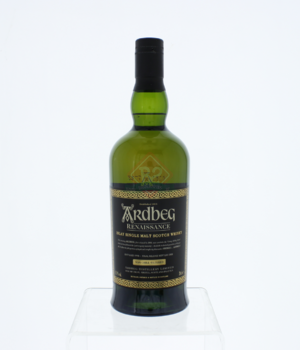

Ardbeg Renaissance
In stock
Ardbeg Renaissance is an Islay single malt from Scotland with peat firmly at the centre of its personality. At Drankenshop Broekmans, we would place this bottle in front of someone looking for a clearly defined Ardbeg rather than a gentle introduction to the style.
Distilled in 1998 and matured in oak cask, it carries its strength at 55.9% alcohol with real presence. There is no age statement attached in the supplied details, so the focus naturally shifts to the individual identity of the release: smoky, coastal in feel, and unmistakably rooted in Islay.
With the last bottles indicated and the release marked as a collectors item, Ardbeg Renaissance also has a scarcity that adds to its appeal. It is the sort of bottle that stands apart in a whisky selection (…)Your web-only benefit:
€ 50,25 / 15%Ben Nevis 2013 9y (The Single Malts Of Scotland - Old Reserve Cask) Incl. Box
5360° view available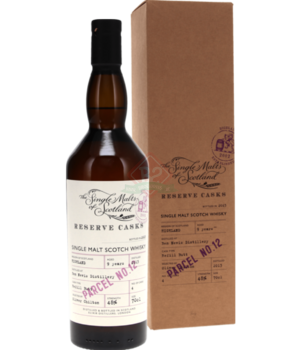
Ben Nevis 2013 9y (The Single Malts Of Scotland - Old Reserve Cask) Incl. Box
In stock
Ben Nevis 2013 9y is a Highland single malt bottled by The Single Malts of Scotland, and its appeal lies in its precision: one cask, 9 years of maturation and bottled at 48%. It is the kind of whisky where the identity of the cask matters, rather than a broad batch designed to taste the same every time.
The refill butt gives the whisky room to show its darker fruit and chocolate-led side, with spice present without taking over. There is no peaty or salty direction here; the emphasis sits more naturally around dried fruit, nuts, chocolate and a warming touch of spice.
At Drankenshop Broekmans, we see this as a bottle for drinkers who enjoy exploring individual cask selections from respected independent bottlers. As a single cask release with the last bottles (…)Your web-only benefit:
€ 14 / 20%Benriach Smoky 12 Tube Incl.
4360° view available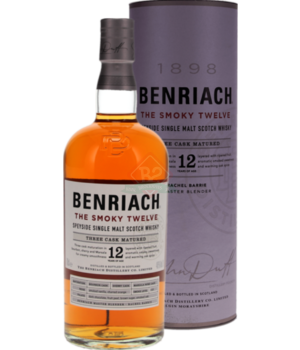
Benriach Smoky 12 Tube Incl.
In stock
Benriach Smoky 12 shows Speyside single malt from a distinctly smoky angle. Aged for 12 years and bottled at 46%, it has matured in bourbon, sherry and marsala casks, giving the whisky a layered foundation around peat, fruit and darker flavours.
The appeal here lies in how the smoke is supported rather than left on its own. The supplied description points to generous peat, fruit, dark chocolate and complexity, so this is a Benriach with weight and depth as well as a clear smoky signature.
At Drankenshop Broekmans, we see Benriach Smoky 12 as a strong choice for customers who enjoy smoky Scotch whisky but still want citrus brightness, chocolate depth and cask influence in the glass.
More information about Benriach can be found at (…)Your web-only benefit:
€ 10,80 / 20%Caol Ila 2011 14y (Berry Bros Odyssey Range)
LAST PIECES9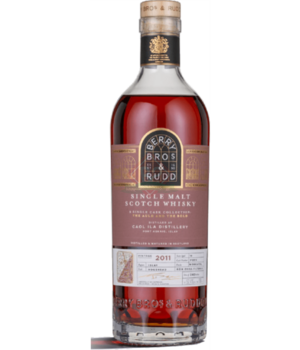
Caol Ila 2011 14y (Berry Bros Odyssey Range)
Only 2 left in stock!
Caol Ila 2011 14y is a single malt from Islay bottled by Berry Bros. & Rudd as part of the Odyssey Range. At 52.4% cask strength, it keeps a close connection to the individual cask rather than smoothing everything into a broader house style.
This 14-year-old release comes from a single cask, #312219, with an outturn of just 240 bottles. At Drankenshop Broekmans, bottlings like this are interesting because they show a very specific side of a distillery rather than a repeated standard expression. With only the last bottles remaining, that sense of a small, finite release becomes even more tangible.
The supplied tasting detail points to a Caol Ila that keeps its Islay smoke, while bringing a sweeter and fruitier dimension into the glass. Cola-like candy (…)Your web-only benefit:
€ 24 / 20%Chichibu The Peated 2022
288360° view available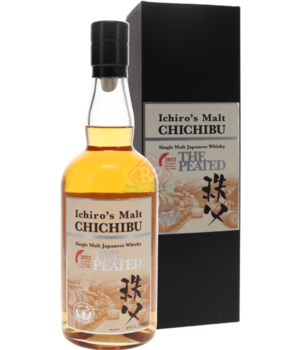
Chichibu The Peated 2022
In stock
Chichibu The Peated 2022 brings the smoky side of Chichibu's Japanese single malt into focus. It followed the 2018 edition after a gap in the series and is built around peated malt, with barley malted over peat fire at the distillery in Saitama. That hands-on detail says a great deal about the way Chichibu approaches whisky: close to the raw material and attentive to every stage of production.
Distilled in copper pot stills and linked to bourbon barrel maturation, it is bottled at 53.5% without an age statement. It is also non-chill filtered and naturally coloured. The strength gives it presence, but the appeal lies in the way the peat sits alongside spice, fruit and a salty edge rather than simply dominating everything.
At Drankenshop Broekmans, we see this (…)Your web-only benefit:
€ 96,16 / 25%Chivas Regal 18y Margaux Wine Cask 1l Incl. Box
12360° view available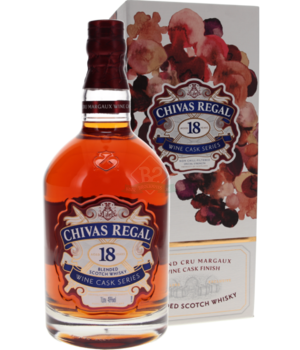
Chivas Regal 18y Margaux Wine Cask 1l Incl. Box
In stock
Chivas Regal 18y Margaux Wine Cask 1l is a Scottish blended whisky that takes an 18-year-old Chivas Regal foundation and gives it a wine-cask finish. The Margaux reference in the name points to a more fruit-led interpretation of the brand, adding a different accent to a mature blended Scotch.
At Drankenshop Broekmans, this bottle sits naturally among whiskies for people who enjoy recognised names in a less everyday form. Bottled at 48%, it has enough strength to carry its flavour profile, where fruit is the main thread and lighter touches of flower, wood and spice add support. It is not a whisky built around peat smoke or salty notes; the wine influence has more room to speak.
The one-litre format gives the bottle a generous feel, while the fact that only the (…)Your web-only benefit:
€ 30,94 / 20%Craigellachie 2007 15y Tb (Thompson Brothers)
LAST PIECES9360° view available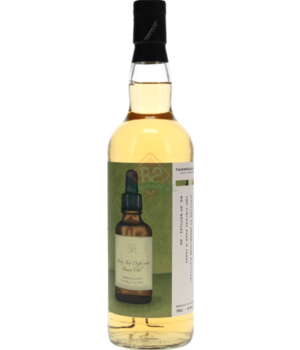
Craigellachie 2007 15y Tb (Thompson Brothers)
In stock
Craigellachie 2007 15y Tb is a Speyside single malt built around a very specific idea: one cask, fifteen years of maturation and bottling at cask strength. Distilled in 2007 and bottled in 2023, it captures the character of a single refill hogshead rather than presenting a broad, standardised house style.
Only 213 bottles were drawn from the cask, so the appeal lies partly in its scale. At Drankenshop Broekmans, bottlings like this are interesting because they let whisky drinkers explore a more individual side of a distillery, with the natural strength of 51.6% left intact.
The refill hogshead maturation points towards a whisky where wood influence is clearly present, supported by lighter spicy, fruity and floral accents according to the supplied profile. (…)Your web-only benefit:
€ 23 / 20%Dailuaine 2013 13y (Berry Bros For Kirsch And The Nectar)
LAST PIECES7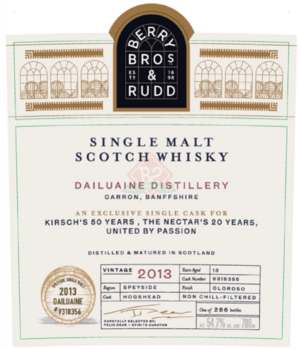
Dailuaine 2013 13y (Berry Bros For Kirsch And The Nectar)
In stock
Dailuaine is one of those Scottish distilleries that often works quietly in the background, valued for its contribution to major blends rather than for standing alone. In this single cask release, the Speyside malt is given the spotlight. Distilled in 2013, matured for 13 years and bottled at cask strength, it shows a firm Oloroso influence with real weight and structure.
Berry Bros bottled this release for Kirsch Import and The Nectar as part of a joint anniversary edition, marking 50 years of Kirsch Import and 20 years of The Nectar. That gives the bottle a meaningful setting, but the real interest is in the whisky itself: one individual cask, just 286 bottles, and a style that helps explain why Dailuaine has long been prized by blenders.
At Drankenshop (…)Your web-only benefit:
€ 19 / 20%Fary Lochan 2014 (Berry Bros Nordic Casks)
LAST PIECES15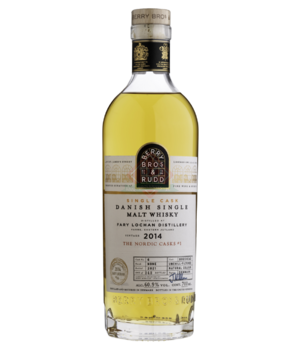
Fary Lochan 2014 (Berry Bros Nordic Casks)
In stock
Fary Lochan 2014 is a Danish single malt with a very direct way of presenting itself. Bottled by Berry Bros as part of the Nordic Casks series, it comes at cask strength, carrying 60.9% alcohol. Rather than smoothing everything down, this release keeps the focus on intensity and on the individual cask behind the whisky.
The whisky was distilled in 2014 and bottled in 2021 from a single hogshead, with only 243 bottles drawn from that cask. At Drankenshop Broekmans, this is the kind of bottling that stands out for drinkers who enjoy whisky with a clear origin and a narrowly defined identity: one cask, one limited release, one particular expression of Fary Lochan.
Its profile is led by a pronounced peated character, with fruit present as a clear supporting (…)Your web-only benefit:
€ 39,28 / 20%Glen Grant 1995 (Berry Bros - Berry's Own Selection)
LAST PIECES32360° view available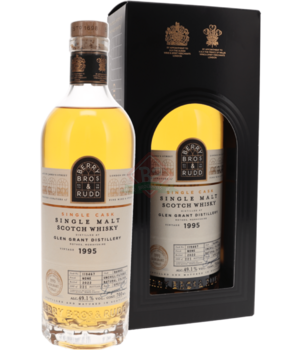
Glen Grant 1995 (Berry Bros - Berry's Own Selection)
In stock
Glen Grant 1995 is a Speyside single malt with a very clear identity: distilled in 1995, bottled in 2022 and drawn from a single hogshead. Rather than presenting a broad house style, this Berry Bros release from Berry's Own Selection captures one individual cask at one particular point in time.
Bottled at cask strength at 49.1%, it keeps close to the character of that cask. The profile points towards a whisky where wood and spice carry real weight, while fruit and floral notes play a more restrained supporting role.
At Drankenshop Broekmans, releases like this stand out because they give whisky drinkers something specific to explore: a vintage Glen Grant, a single cask origin and a bottling that is now down to its last bottles. It is the kind of whisky where (…)Your web-only benefit:
€ 82,46 / 20%Glen Moray 18y Incl. Box
29360° view available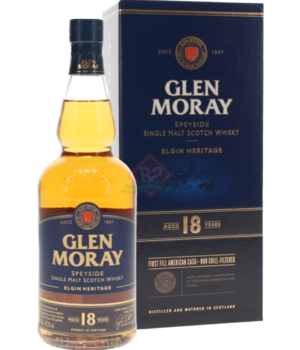
Glen Moray 18y Incl. Box
In stock
Glen Moray 18y is a Speyside single malt from Elgin, released as an official Glen Moray bottling within the Heritage Collection. Its appeal is closely tied to its maturation: a full 18 years in American oak, giving the whisky time to build depth around oak, fruit and sweeter notes.
The available brand information points to first-fill casks, and that matters in the glass. The oak influence is more pronounced than it would be with refill wood, bringing toasted oak, caramel, vanilla and mature fruit to the foreground. It remains a Speyside single malt without peat as its defining feature, shaped instead by long ageing in American oak.
Bottled at 47.2% and presented non-chill filtered, Glen Moray 18y has a little more structure than lighter expressions in the (…)Your web-only benefit:
€ 14,98 / 20%Ichiro's World Blend 2019
COLLECTOR299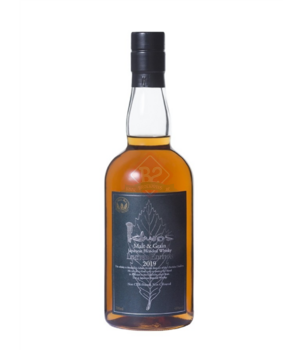
Ichiro's World Blend 2019
In stock
Ichiro's World Blend 2019 is a Japanese blended whisky with a composed, carefully measured style. The name points to a world blend, while the Ichiro identity gives it a clear Japanese frame and a more distinctive place than a standard everyday blend.
At 48.5% ABV, it carries a little extra strength, yet the supplied flavour profile does not suggest a heavy or smoky whisky. The emphasis is lighter and evenly spread, with floral, fruity, woody and spicy notes all playing a restrained role.
At Drankenshop Broekmans, this bottle stands out for the combination of Japanese origin, the Ichiro name and its last-bottles status. It is also marked as a collector's item, making it a whisky with a sense of scarcity rather than a regular shelf release.
The (…)Your web-only benefit:
€ 99,75 / 25%Johnnie Walker Explorers Club Collection The Royal Route 1l
12360° view available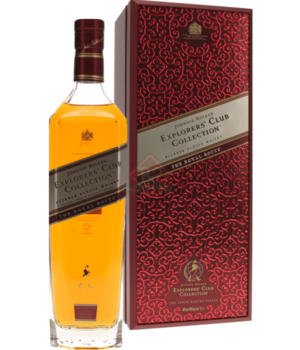
Johnnie Walker Explorers Club Collection The Royal Route 1l
In stock
Johnnie Walker Explorers Club Collection The Royal Route is a blended Scotch whisky bottled at 40% in a generous one-litre format. Within the Johnnie Walker range, the name gives it a distinct identity: part of the Explorers Club Collection, presented without an age statement and focused on the character of the blend itself.
The style indicated here is measured rather than heavy. Light fruit, a gentle floral note, restrained spice and a touch of oak all sit in the same register, with no single element dominating. Peat is not a defining feature, so the emphasis stays on a smooth, approachable blended Scotch profile.
At Drankenshop Broekmans, we see this as an appealing choice for customers looking for a less everyday Johnnie Walker bottling, especially as only (…)Your web-only benefit:
€ 21,75 / 15%Oxford Artis 2019 #21 (Berry Bros)
LAST PIECES12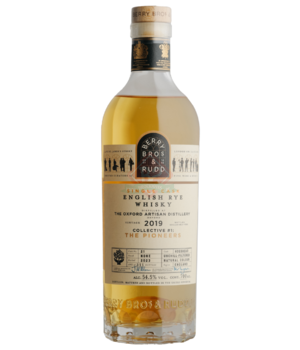
Oxford Artis 2019 #21 (Berry Bros)
In stock
Oxford Artis 2019 #21 is an English rye whisky with a story that begins well before the cask. It belongs to Berry Bros. & Rudd's Collective#1 series, a range built around independent makers who challenge convention and place real emphasis on reducing their impact on the planet's natural resources.
The whisky comes from The Oxford Artisan Distillery, described here through its work with regenerative agriculture. The supplied information highlights John Letts, head of the farm, and his work with heritage grain varieties that can adapt to different climates. That gives this rye a strong sense of origin: the grain is not just an ingredient, it is central to the identity of the whisky.
Cask #21 was filled in 2019 and bottled in 2023. It is a single cask (…)Your web-only benefit:
€ 31,02 / 20%Royal Brackla 9y (The Single Malts Of Scotland - Old Reserve Cask)
5360° view available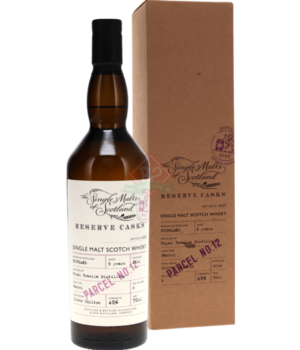
Royal Brackla 9y (The Single Malts Of Scotland - Old Reserve Cask)
In stock
Royal Brackla 9y is a Highland single malt with a very specific identity: distilled in 2014, bottled in 2023, and drawn from a single bourbon barrel. Rather than presenting a broad house style, this bottling captures the voice of one individual cask.
It was bottled by The Single Malts of Scotland at 48%, giving the whisky enough structure to carry its floral, buttery and gently spiced notes. Nine years of maturation keeps the profile lively while still giving the spirit clear definition.
At Drankenshop Broekmans, this is the kind of bottle we like to highlight for customers who enjoy discovering a familiar name through a more focused cask selection. With only the last bottles remaining, it is also a release that feels pleasantly finite.
The (…)Your web-only benefit:
€ 13 / 20%Springbank 18y 2026
500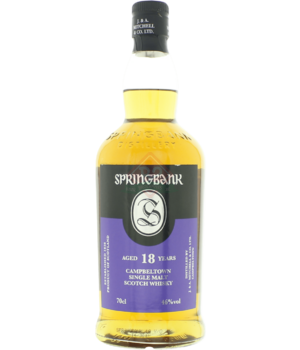
Springbank 18y 2026
In stock
Springbank 18y 2026 is one of those annual releases that naturally draws attention from people who follow Campbeltown whisky. At 18 years old, it carries maturity, but the appeal here is also in the way the whisky keeps its coastal, slightly peated identity clearly in view.
This batch is built mainly around ex-sherry cask maturation, making up 80% of the composition, with the remaining 20% coming from ex-bourbon casks. That gives the whisky room for fruit, spice and depth, while the 46% bottling strength keeps enough definition for the salty and gently peated notes to come through.
At Drankenshop Broekmans, this is the kind of Springbank we like to introduce as a whisky that rewards a little patience. The tasting notes even suggest letting it stand for a (…)Your web-only benefit:
€ 25,50 / 15%Waterford Single Farm Origin Bannow 1.2
32
Waterford Single Farm Origin Bannow 1.2
In stock
Waterford Single Farm Origin Bannow 1.2 is an Irish single malt with a very clear sense of origin. Rather than presenting a broad house style, this release focuses on one farm origin: Bannow. That gives the whisky a defined identity and makes it especially interesting for drinkers who like to understand where a whisky begins.
It was distilled on 23 June 2016 and bottled at 50% ABV. There is no age statement, so the emphasis sits less on a number and more on the specific origin and profile of this release. With 9,000 bottles produced and only the last bottles remaining in the Drankenshop Broekmans selection, Bannow 1.2 also carries a naturally limited feel.
The supplied profile points towards a fruit-led single malt, with lighter floral, woody and spicy (…)Your web-only benefit:
€ 16,20 / 20%
Frequently asked questions
Answers to the most frequently asked questions about whisky
What is whisky?
Whisky is a distilled alcoholic beverage made from fermented grains (such as barley, corn, rye or wheat) and then aged in wooden casks, usually oak. The result is a complex drink with aromas that can range from fruity and floral to smoky, spicy or woody.
Generally speaking, a drink must meet the following basic requirements to be called whisky:
-
Made from grains
-
Fermented with yeast
-
Distilled to a maximum of ±94.8% alcohol (so that flavour is retained)
-
Matured in wooden casks
-
Bottled with a minimum of 40% alcohol
Which whisky is tasty?
Which whisky is good? Which whisky is good? The answer to these questions is so specific and so personal that we cannot possibly answer them for everyone. In our range of whisky you will find more than 3,000 bottlings, each with their own taste and profile, to objectively identify a universal "good whisky" is impossible.
You can look for the whisky you like in different ways. Either you start from whisky with a fairly flat and neutral flavour profile and expand and explore from there, but other enthusiasts prefer to start at the extremes to quickly discover what they absolutely do not like. We would not recommend that second approach, as whisky with a distinct character is often an "aqcuired taste", something you gradually work towards and often learn to develop an appreciation for as you build your palate.
Are you looking for a whisky for someone else and have no idea what they drink and what they like? If so, limit yourself to whisky with a light and balanced flavour profile. With most of our whisky, you will find a flavour profile where the whisky is rated from 0 to 3 on six basic pillars: peaty, spicy, salty, woody, floral and fruity. If you blindly buy a whisky for someone else, limit yourself to whisky where none of the six pillars slip through. If you do know what kind of whisky the lucky person drinks, then with a bit of luck, you can also find that whisky in our range and from there you can look for other whiskies that have a similar flavour profile.
Is whisky Scotch or Irish?
Both Scotland and Ireland claim the origins of whisky, and both countries have a rich history of distilling it. The earliest written mention of whisky comes from Ireland, from the 12th century. But Scotland has brought the art of whisky making to perfection and today is famous worldwide for its whiskies. Ultimately, whisky is both Scottish and Irish, each with its own unique traditions and flavours.
What is Scotch whisky?
In addition to the basic rules to speak of whisky, there are a number of additional conditions for Scotch whisky.
-
Must be wholly produced and matured in Scotland
-
Aged for at least 3 years in oak casks
-
Only water and caramel colour (E150a) may be added
Which Scottish regions are famous for their whisky?
Scotland is divided into a number of regions, each of which makes its own signature whisky. Exactly how many there are depends on how accurately you want to describe them.
On the Scottish mainland, we talk about
- Highland (Ben Nevis, Ardnamurchan, Edradour, ...)
- Lowland (Johnny Cree, Lochlea, Auchentoshan, ...)
- Campbeltown (Springbank, Kilkerran, Longrow, ...)
- Speyside (Benriach, Tomintoul, Glenglassaugh, ...)
As the first island, Islay is always mentioned separately. From Islay come mainly peated whiskies such as Bowmore, Port Ellen, Bruichladdich and Ardbeg.
You will also find a number of islands around Scotland, called the "Islands". Within that group, another distinction is often made between
- Isle of Arran
- Isle of Harris
- Jura
- Mull (Ledaig, Tobermory, ...)
- Orkney (Highland Park, Scapa, ...)
- Skye (Talisker, ...)
What is Irish whiskey?
To speak of Irish whiskey, the drink must meet a number of additional conditions.
-
Produced and matured in Ireland
-
Aged for at least 3 years in wooden casks
-
Often triple-distilled, but this is not compulsory
What is American whiskey?
American whiskey is also again subject to a number of specific rules, in addition to the basic guidelines to speak of whiskey.
For bourbon whiskey:
-
At least 51% corn in the grain mix
-
Matured in new charred oak barrels
-
Distilled to a maximum of 80% alcohol
-
In the barrel a maximum of 62.5% alcohol
-
No additives allowed (except water)
For rye whiskey, at least 51% rye must be used.
Tennessee whiskey follows the same guidelines as bourbon, but must be filtered through charcoal.
What is the difference between "whisky" and "whiskey"
The difference in terminology is related to the country of origin. In principle, "whiskey" is always referred to, except when spirits from the United States or Ireland are involved. In those countries, the term "whiskey" is consistently used.
What is the difference between single malt, blended and grain whisky?
Single malt whisky comes from a single distillery and is made exclusively from malted barley. These whiskies often have a distinct and characterful flavour profile. Blended whisky is a mix of different whiskies (both malt and grain) and tends to be softer and more approachable. Grain whisky is made from other grains such as corn or wheat and is often used in blends, but also exists as a separate bottling with a lighter style.
What is a "no age statement" whisky?
If a whisky is marked "NAS" or "No Age Statement", it means that no age is stated on the bottle.
When an age is mentioned on the bottle, it must, according to the rules, always be the youngest whisky in the blend and not the age that is most represented percentage-wise in the blend. A producer will therefore deliberately choose not to state an age on his bottle in two cases: when an old whisky is blended with a small proportion of younger whisky, or when young whisky is blended with a proportion of older whisky. In the first case, he does not want to put a young age on his bottle if his blend contains mainly older whisky, and in the second case, marketing-wise it is more interesting to go out with that particle of older whisky.
What is a "single cask" whisky?
A single cask means that the whisky in the bottle comes from only one cask and was not blended with another whisky from another cask. Because the content comes from a single cask, the number of bottles depends on the size of the cask and the evaporation of the product (the so-called Angel's Share), the number of bottles is limited (and often numbered) and no new bottles of this specific reference come onto the market. A single cask is thus always unique in flavour and profile, and never quite comparable to similar bottles that do not come from the same cask.
What is a whisky at "cask strength" ?
A cask strength whisky is not diluted with water before bottling, but goes straight from the cask into the bottle and therefore retains the alcohol percentage during/after cask maturation. One of the advantages of cask strength whisky is that as a drinker you can decide how strong you like your whisky by diluting or not diluting it with a little water yourself according to your preference, rather than the producer having already done this for you. Cask Strength whisky has a higher alcohol content and this can sometimes suppress the subtlety of the whisky.
What does the term non-chill filtered mean?
The term non-chill filtered, or well-known variations of it such as "unchilled filtered" or "not cold filtered", indicates that the spirit was not cold filtered before bottling. During cold filtration ("chill filtration"), the whisky is cooled to around freezing point and then filtered. This process removes certain substances from the spirit such as fatty acids, proteins and esters.
Whisky that does not undergo that specific filtering process has a number of specific properties: they often have more character, the mouthfeel is fuller and oilier and more flavour compounds are retained. Because they have more body, they often feel creamier on the palate and the aromas are more intense. The disadvantage of skipping cold filtering is that the whisky can be cloudier.
Most whisky on the market is chill filtered because it produces a clear and consistent spirit in the bottle and in the glass, even with the addition of ice or water. That consistency leads to better presentation and less chance of consumer complaints. Unchill filtered whisky is especially popular with aficionados and purists for the same reason, because they know and understand why their whisky is the way it is. For this reason, "chill filtered" is usually not explicitly stated, but "unchill filtered" is.
What is a peated whisky?
The term "peat", often also described as "smoky", "smoked" or "peated" is part of the flavour profile that is very typical and recognisable in whisky.
Peated whisky evokes scents of a seaside campfire, a smoky charcoal grill, and sometimes even medicinal, salty notes reminiscent of the Scottish coast. These whiskies have a depth and character that either enchant or terrify aficionados.
Peat is an organic material made up of compressed plant remains, formed over centuries in boggy areas. In Scotland, where peated whisky originated, peat has traditionally been used as a fuel. This later became an integral part of the whisky-making process and resulted in the unique smoky flavour these whiskies are known for.
The distinctive flavour of peated whisky is created in the malt phase of whisky production. Barley is first soaked in water and then spread out to germinate. During this process, the barley begins to develop sugars that are later needed for fermentation. Once the barley starts germinating, drying is interrupted by a fire of burning peat. The smoke soaks into the barley and impregnates it with phenols - the chemical compounds responsible for the smoky flavour.
Which whisky suits my taste (sweet, smoky, fruity...)?
Whisky can be roughly categorised by flavour profiles. Do you like sweet? Then go for whiskies with notes of vanilla, caramel or honey (often matured in bourbon casks). Prefer fruity? Choose Speyside or Irish whiskies with fresh apple and citrus aromas. If you are a fan of powerful, smoky flavours, then Islay whiskies are a good choice. Those who like spicy or woody notes may look more towards whiskies with sherry barrel maturation.
Which whisky is good for beginners?
For beginners, accessible, smooth whiskies without too much smoke or complexity are ideal. Think fruity and slightly sweet styles, such as many Irish whiskies or soft Scottish Speyside whiskies. These often have notes of apple, honey and vanilla and are easy to drink. Avoid strongly smoky (peated) whiskies at first, as that flavour is too intense for some. From there, you can gradually discover which styles suit you best.
Which whisky makes a good gift?
A good gift whisky is usually a safe, accessible choice that will appeal to many people. For example, choose a well-known single malt with a smooth and balanced profile, or a nice bottle in a gift box.
Do you know the recipient's tastes? Then you can choose more specifically: a smoky whisky for lovers of powerful flavours, or a fruity and mellow variant for beginners. In doubt? Then you will always be right with a classic, non-smoky whisky.
What does the designation PPM mean in a whisky?
The abbreviation PPM is used to describe the intensity of the peat flavour in a peated whisky. The abbreviation PPM stands for Phenol Parts Per Million, and the higher the number the more intense the peat flavour is. A whisky with 10 PPM has a subtle smoky character while a whisky with 50 PPM or higher can be a real smoke bomb.
How strong is whisky?
When people talk about the "strength" of liquor, they usually mean its alcohol content (ABV).
Whisky is a regulated product, meaning that a number of conditions must be met before the final product can be called "whisky". One of the rules is the minimum alcohol content: in the EU (including Scotch and Irish whiskey), the US and Canada, whisky must contain a minimum of 40% alcohol by volume to be called whisky.
Many standard bottlings are around 40-43%, some quality or "non-chill filtered" releases choose 46% ABV. In the US, bourbon and rye are also common at 45-50% ABV (e.g. Bottled-in-Bond at 50%). In Japan, 40-43% is common. "Cask strength" or "barrel proof" whiskies are bottled undiluted and are therefore higher in strength: usually between about 50% and 65%. Regional exceptions exist, such as India where many whiskies are bottled around 42.8% ABV,
For average commercial whiskies, 40-46% is the normal range, and you will find most whiskies within that range.
What does the designation "proof" mean in whisky?
You may also have seen "proof" written on bottles, for example "100 proof". It is an alternative way of indicating the strength of whisky and is only used in the US today. The formula is thankfully simple; the "proof" value is actually double the alcohol content (ABV). In other words, a bottle of "100 proof" corresponds to 50% alcohol.
What is meant by "small batch"?
"Small batch" is a term indicating that the whisky was produced in relatively small quantities per batch (production run). Instead of huge volumes being mixed continuously, the distiller selected only a limited number of casks or ingredients to bring together. The idea behind it is to have more control over quality, flavour and consistency, for example by blending a few carefully chosen casks to achieve a specific flavour profile.
Small Batch often suggests craftsmanship and attention to detail, but it is not a strictly regulated term. So there is no set definition of exactly how much "small" is, and it can vary greatly from producer to producer.
What is the difference between cheap and expensive whisky?
The price difference is often in factors such as ageing time, casks used, production method and rarity. More expensive whiskies have usually matured for longer or come from special casks, providing more complexity and depth. However, this does not mean that a more expensive whisky is always "tastier". Taste remains personal, and there are also affordable whiskies of excellent quality that perfectly suit your preference.
What does the age on a whisky bottle mean?
The age on a whisky bottle indicates the minimum time the whisky has been aged in cask. In blends, this means that the youngest whisky in the blend is that age.
During that maturation, the whisky develops its flavour, colour and aromas. The longer the ageing, the more influence the cask has on the final result.
Which whisky is suitable as an investment?
If you are looking for a bottle as an investment, the references we refer to as "Collector" are often a good choice. However, it is no guarantee of success, some bottles rise in values, others do not and in a few cases a sudden hype drives the price up suddenly. For this reason, always keep Jan Broekmans' own advice in mind: don't buy whisky as an investment that you would never want to drink yourself. If the price doesn't go up, at least you'll still have the pleasure of drinking them yourself.
Is older whisky always better?
Not necessary. Older whisky can be more complex and softer, but sometimes loses fresh or fruity characteristics. Quality depends on many factors, such as the cask and the conditions in which the whisky matures.
Ultimately, "better" is a matter of taste. Some younger whiskies can be surprisingly lively and full of character, perfectly matching what you are looking for.
Does whisky mature further in the bottle?
No, whisky matures only in cask. Once the whisky is bottled, the maturation process stops completely.
In principle, the flavour remains stable, although an opened bottle can change slightly after a long time due to contact with oxygen. This is why it is best to store whisky tightly sealed and out of direct sunlight.
Is whisky going bad?
Whisky is a strong drink with a high alcohol content, which means it has a virtually unlimited shelf life. If you have a bottle of whisky that is properly sealed, you can keep it for years, even decades, without its taste or quality deteriorating. However, the flavour can change if the whisky is exposed to light, air or temperature fluctuations. If there is too much air in the bottle relative to liquid then "oxidation" can also occur, directly affecting its flavour and intensity.
So an open bottle of whisky will often lose some of its aromas over time, but it will not "go bad".
Make sure you store your bottle in a cool, dark place and seal it well after each use, and that the bottle is always at least a quarter full (the less air there is in the bottle, the less oxidation can occur). Leftovers are best poured into smaller sample bottles that can be sealed well from the outside air (apothecary bottles are ideal, glass decanters are not), or you can artificially fill the original bottle with, say, marbles to reduce the volume of air in the bottle.
What is an independent bottler?
Independent bottlers are entrepreneurs who buy whisky from existing distilleries and then bottle or blend it themselves. They are not involved in the actual production process, but they take care of the further development of the whisky. This means they select the casks themselves and decide how long the whisky matures, in order to create a unique final product.
Some whiskies are sold exclusively to independent bottlers and are not used for the original distillery's range. Examples of such bottlers include Signatory, Douglas Laing, and Cadenhead's.
There are also 'secret bottlings', where the bottler does not reveal which distillery the casks come from.
Independent bottlings are usually single casks. They are often not coloured, are usually non-chill filtered and very limited in availability, which only makes the product more unique. This constitutes a delightful change from regular whiskies, you could say.
In which glass do you pour whisky?
The classic glass in which whisky is very often poured is called a tumbler. This is a low, straight and wide glass. Some people prefer to drink their whisky from these glasses because of the tradition and the feel it gives. This glass has a wide, cylindrical shape and a thick bottom, making it perfect to use when mixing whisky with other drinks like cola or water, for example, or when you want to add ice to your whisky. It is most often used with bourbon and blended whisky.
However, connoisseurs prefer to opt for a tulip-shaped glass, as it bundles the aromas better in the nose. Snifters and copita glasses, for example, have such a shape, but are still more commonly associated with cognac and sherry. The general consensus therefore seems to be that the Glencairn glass is still usually the best choice to maximise the better whisky. The advantage of all three is that you can hold the glass in such a way that your body heat will not warm up the spirit in your glass.
Do you drink whisky with ice?
The most loaded question is whether you should drink whisky at room temperature or "on the rocks". We take no position on right or wrong and advise everyone to enjoy it in the way that suits them best. If you like a particular whisky better on ice rather than at room temperature, who are we to deprive you of that pleasure?
That said, there are some differences: a room-temperature whisky evaporates more easily, making the nose more intense as with a chilled whisky. In turn, using ice dilutes the whisky, so the flavour and intensity can diminish once that ice starts to melt in your glass. Whisky stones can be a good alternative if you don't like a whisky at room temperature but at the same time don't want your spirit to be diluted by the melting ice in your glass either.
Should you add water to whisky?
Adding water to whisky is not a must, but it can help release aromas better. Especially with whiskies with a higher alcohol content, a few drops of water can make the flavour more accessible.
Most important is personal preference: drink whisky the way you like it best, pure, with water or possibly with ice.
What is a "dram"?
A "dram" usually refers to one serving of whisky. The quantity of a dram is around 3cl, some serve 2.5cl and others go up to 3.5cl. From a 5cl sample or mini-bottle, you basically get just 2 drams, enough to discover a spirit for two.
Handy to remember if you ever want to organise a tasting yourself: from a standard 70cl bottle with a standard filling level you get:
- 35 drams of 2cl (tip: the bottle pilot on our webshop doses exactly 2cl)
- 28 drams of 2.5cl
- 23 drams of 3cl
- 20 drams of 3.5cl
However, do not count too strictly when organising a tasting, and always keep a few drams in reserve in case there is a spillage when pouring or the bottle does not contain exactly 70cl spirit (with older bottlings, the filling level can decrease slightly over time due to natural processes). And don't forget to include the host of your tasting, of course!
What does "angel's share" mean?
The term "angel's share" refers to the part of a whisky (or other matured spirit) that slowly evaporates in the barrel during the maturation process. As the spirit is aged in wooden barrels for years, a small amount of alcohol and water escapes through the pores of the wood each time. This loss can amount to about 2% per year, depending on factors such as climate, storage location and barrel type. The name is meant poetically: it is said that this part is "for the angels".
Although technically a loss for the distiller, the angel's share plays a crucial role in the development of flavour and aroma. The evaporation concentrates the residual flavours, and the contact with the wood provides complexity such as vanilla, spice and fruity notes. In warmer climates (such as rum), the angel's share tends to be greater, resulting in faster maturation than, for example, in cooler whisky regions such as Scotland.
How do I get started on Scotch whisky?
Many people assume that a more expensive bottle of Scotch whisky is automatically better. It sounds logical: the higher the price, the better the quality. But in reality, the difference between a bottle of a few tens and one of thousands of euros is rarely purely in the taste. What you pay has much more to do with age, scarcity, marketing and reputation than with what you actually taste in your glass.
To understand this properly, it helps to look at Scotch in different "levels". Each level tells you something about what you are drinking and, more importantly, what you are paying for, but not every epicurean goes through all these levels.
You can read all about it in our blog post Why an expensive Scotch doesn't necessarily taste better - the different levels of Scotch.
How do I get started on Irish whiskey?
At one time, Irish whiskey dominated the world. In the late 19th century, more than 70% of all whiskey came from Ireland. But wars, trade conflicts and prohibition in the US caused a dramatic decline. By 1980, barely two distilleries remained. Today, that picture has been completely reversed. Ireland once again has dozens of distilleries and the range of offerings ranges from simple entry-level bottles to rare collector's items costing thousands of euros.
But as always, more expensive does not automatically mean better. What do you actually get for your money? And from what point do you mainly pay for prestige? You can read more about it in our blog post Irish whiskey explained: from pub classics to million-dollar bottles.
How do I get started with Japanese whisky?
In 1918, a young Japanese student Masataka Taketsuru left for Scotland with one clear goal: to learn how to make whisky. He studied in Glasgow, apprenticed at several distilleries and obsessively noted down every detail of the process. Those notes would later form the basis of the Japanese whisky industry.
Today, Japanese whisky is a phenomenon. Bottles go under the hammer for tens of thousands of euros, distilleries can barely keep up with demand and the number of producers has exploded. But at the same time, that also makes it confusing: where do you start if you just want to drink it?
You'll discover all about it in our blog post Japanese whisky explained: from entry-level to untraceable.
Where can I buy whisky?
Basic whisky and no-name whisky can be found in any shop or supermarket, but you undoubtedly want something more. Then you're in the right place at Drankenshop Broekmans, because our range of almost 3,000 whiskies covers all brands, all distilleries, all bottlers, all flavour profiles and all price ranges.
