


Rum from Velier or Papalin
Please note: stock and availability in our store may vary! More info
Himmaleh White Habvel
82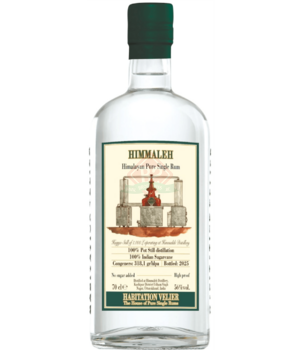
Himmaleh White Habvel
In stock
Himmaleh White Habvel brings a rather unusual rum origin into focus: India, more specifically Uttarakhand, in the foothills of the Himalayas. This white sugar cane juice rum is bottled by Velier as part of the Habitation Velier range, a line built around individual distilleries and pot still distillation.
The release is connected to Himmaleh Spirits' Neoli project, which looks to express the sugar cane area around Kumaon. Four Indian sugar cane varieties are brought together for this bottling, with the local ecosystem as its point of reference. With no age statement and a white, distillate-led presentation, the emphasis stays firmly on the raw aromatic personality of the spirit.
At 56% ABV, this is a white rum with real presence. It is well suited to slow (…)Clairin Le Rocher 2022
58360° view available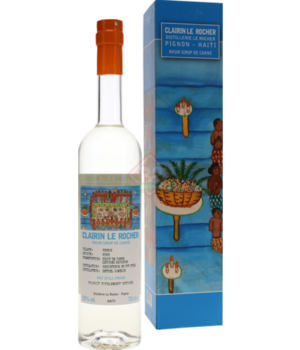
Clairin Le Rocher 2022
In stock
Clairin Le Rocher 2022 is a Haitian rum with a very distinctive voice. It is made from sugar cane syrup that is brought to the boil, a method used here to preserve the characteristic aromas of the three cane varieties involved.
Its single pot still production and bottling in the Clairin style give it a fresh, vegetal and spicy profile, marked by smoky and roasted notes. Rather than leaning on oak influence, Le Rocher puts the distillate itself at the centre, with the raw aromatic side of the cane clearly in view.
At Drankenshop Broekmans, we see this as a rum for drinkers who enjoy expressive, unconventional spirits. At 50% alcohol, it has enough strength to carry its spice and smoke, while still keeping that lively freshness.
The aroma opens (…)Clairin Vaval 2023
60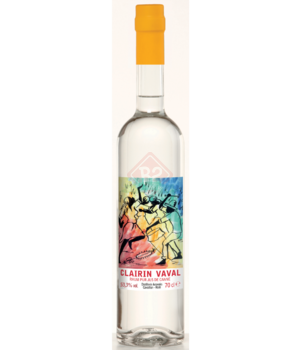
Clairin Vaval 2023
In stock
Clairin Vaval 2023 gives a very direct impression of Haitian sugar cane rum. It is produced in Cavaillon, on the southern coast of Haiti, by Fritz Vaval's artisanal distillery using local sugar cane varieties.
Its appeal lies in how closely it stays connected to its origin. The cane grows on coastal soils exposed to trade winds, while spontaneous fermentation helps preserve the traditional rural character of the spirit. There is no age statement to shift the focus toward maturation; the emphasis remains on cane, fermentation and place.
At 53.5% alcohol, Clairin Vaval 2023 has a firm and lively presence. Within the rum selection at Drankenshop Broekmans, it stands out for customers looking for a sugar cane juice rum with a raw, expressive and unmistakably (…)Amrut White (Habitation Velier)
LAST PIECES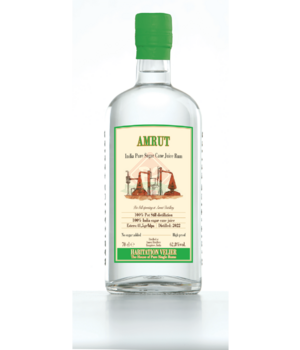

Amrut White (Habitation Velier)
On request only
Amrut White is an Indian white rum with a story that immediately stands out. It marks the first time Habitation Velier has bottled a white rum from the Amrut distillery, giving this limited edition a very specific place within the world of sugar cane juice rum.
Its identity starts close to the distillery itself. The pure sugar cane juice comes from a field next to Amrut, giving the rum a genuine field-to-bottle character. The connection with Amrut's better-known whisky production is also part of the appeal: the yeasts used for fermentation and the pot stills used for distillation are the same as those used for the distillery's renowned whiskies.
Bottled at cask strength at 62.8%, this is a white rum with real intensity and a very direct expression of its raw (…)Beenleigh 2015 8y Mag 1,5l (Velier)
LAST PIECES150360° view available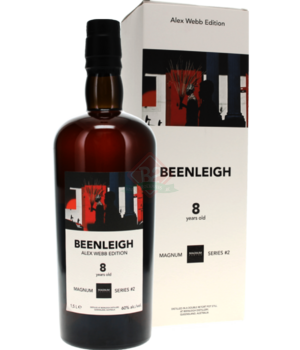
Beenleigh 2015 8y Mag 1,5l (Velier)
Very last one in stock!
Beenleigh 2015 8y Mag 1.5l is an Australian molasses rum with a strong sense of place. It comes from Beenleigh, a distillery founded in 1884 in Queensland, and is made from molasses sourced from Australia's last privately owned mill. That background gives the bottle a story before the glass is even poured.
The rum is distilled using both columns and pot stills, then aged for 8 years in bourbon barrels. At 60% and bottled at cask strength, it keeps a firm, direct character rather than smoothing away its natural intensity. The 1.5 litre magnum format adds to its distinctive presence, especially as these are the last bottles.
At Drankenshop Broekmans, this Velier bottling sits in the selection for drinkers who appreciate rum with origin, power and detail: (…)Bologne 7y 2014 Vel (La Maison & Velier - Flora Antillarum)
LAST PIECES122360° view available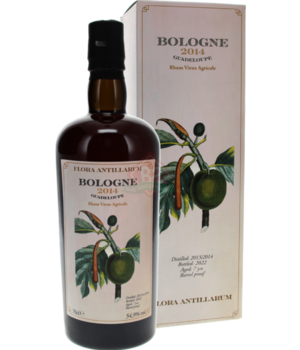
Bologne 7y 2014 Vel (La Maison & Velier - Flora Antillarum)
In stock
Bologne 7y 2014 Vel is a Guadeloupe rum made from sugar cane juice and bottled by La Maison & Velier as part of the Flora Antillarum series. It sits in a more origin-driven style of rum, where the cane base, distillation and maturation carry the story rather than overt sweetness.
Distilled in 2014 in a traditional column, it matured for 7 years in Cognac casks. Bottling it at cask strength, 54.9%, keeps the presentation direct and concentrated, with the kind of presence one expects from a Velier selection.
At Drankenshop Broekmans, this is the sort of rum we place in front of customers looking beyond the usual categories and into more distinctive sugar cane juice releases. Guadeloupe origin, Cognac maturation and the Flora Antillarum bottling context give (…)Caroni Paradise 1994 #3 (Velier) Incl. Box
COLLECTOR5.000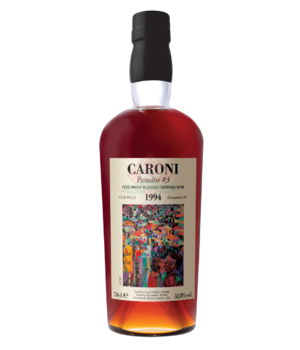
Caroni Paradise 1994 #3 (Velier) Incl. Box
Very last one in stock!
Caroni Paradise 1994 #3 is a rum where provenance, time and scarcity all matter. Distilled in 1994 at Caroni in Trinidad and bottled by Velier in 2023, this 29-year-old molasses rum comes from cask #6132. It is a single cask release, bottled at full proof, with only 215 bottles produced.
The Paradise name refers to a very specific part of its journey. The rum first matured in Trinidad, continued its ageing in Guyana at Demerara Distillers, and was later brought to Cognac. There, the contents of selected Caroni casks were placed in glass demijohns in the so-called Paradise, echoing the cognac tradition of keeping old eaux-de-vie in a paradis. For a rum from the now-closed Caroni distillery, that final chapter adds real context to the bottle.
At Drankenshop (…)Caroni Paradise 1994 #7 (Velier) Incl. Box
LAST PIECES350360° view available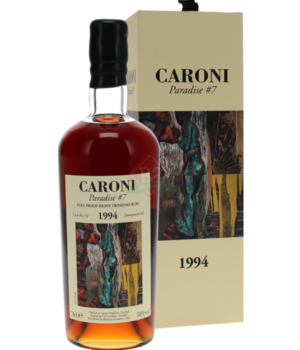
Caroni Paradise 1994 #7 (Velier) Incl. Box
Only 3 left in stock!
Caroni Paradise 1994 #7 is the kind of rum where the background matters deeply. Distilled in 1994 at the closed Caroni distillery in Trinidad and bottled by Velier in 2024, it comes from a single cask, #6134. It was bottled at full proof, 58% alcohol, with a total release of just 142 bottles.
The cask's journey adds another layer to the story. It formed part of the Caroni stock transferred to Guyana in 2009 and was later kept in glass demijohns after selection. The Paradise series takes its inspiration from the 'Paradis' cellars of Cognac and follows the Caroni Ceremony of 12 April 2019, when 26 rum experts selected standout casks from the remaining Caroni inventory.
At Drankenshop Broekmans, we see this as a rum for slow, attentive tasting rather than casual (…)Caroni Paradise 1994 #8 (Velier) Incl. Box
LAST PIECES350360° view available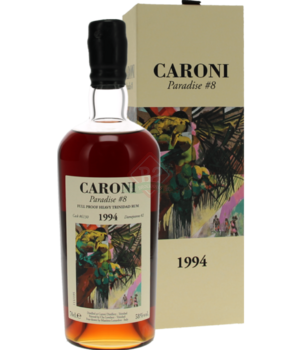
Caroni Paradise 1994 #8 (Velier) Incl. Box
Only 3 left in stock!
Caroni Paradise 1994 #8 is the kind of rum where the story behind the bottle matters as much as the liquid itself. Bottled by Velier, it comes from the closed Caroni distillery in Trinidad. Distilled in 1994 from molasses and bottled in 2024 at 58%, this is a single cask rum from a bourbon barrel, released at cask strength in a tiny outturn of 195 bottles.
Its place within the Paradise series gives it extra depth. The relevant Caroni stock was moved to Guyana in 2009; for this release, cask 6130 was selected and later transferred into three glass demijohns. The wider series traces back to the Caroni Ceremony of 2019, when 26 rum experts selected casks from the remaining Caroni stocks. The bottles were blown by glass artist Massimo Lunardon, with labels based on work by (…)Caroni Paradise 1996 #1 (Velier) Incl. Box
COLLECTOR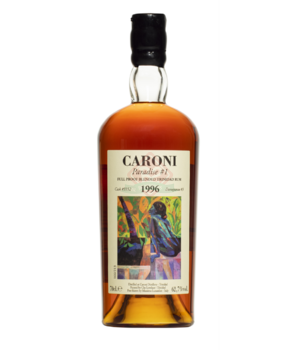

Caroni Paradise 1996 #1 (Velier) Incl. Box
Very last one in stock!
Caroni Paradise 1996 #1 is a Trinidad rum from the closed Caroni distillery, bottled by Velier as a single cask at its natural cask strength of 62.7%. It was made from molasses and distilled on a traditional column still, placing it firmly within the mature, traditional Caroni style.
Part of its appeal lies in the journey of the cask. This rum comes from Caroni stock that was transferred to Guyana in 2009. For the Paradise series, Velier selected casks from that remaining stock, with selected rum later kept in 54-litre glass demijohns in the Cognac region. The Paradise name therefore refers to a specific stage in the rum's preservation, not just to the label on the bottle.
This release comes from cask #5552, a bourbon barrel, distilled in 1996 and bottled in (…)Caroni Paradise 1996 #4 (Velier) Incl. Box
COLLECTOR5.000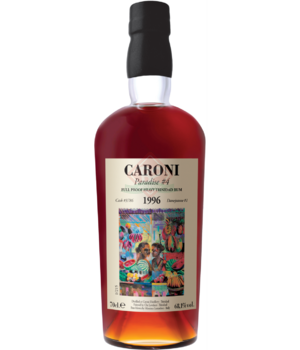
Caroni Paradise 1996 #4 (Velier) Incl. Box
Very last one in stock!
Caroni Paradise 1996 #4 is a Trinidad rum with a very clear sense of origin. Distilled in 1996 from molasses using traditional column distillation and bottled in 2023 at 27 years of age, it belongs to the heavier, more concentrated side of Caroni.
This Paradise #4 comes from cask no. 3786, selected during the Caroni Ceremony of 12 April 2019 from the remaining Caroni stocks. The rum matured in Trinidad until 2019, after which it was transferred into 54-litre glass demijohns and kept in the Cognac region until bottling. That detail matters: this is not a Cognac cask finish, but further preservation in glass.
Velier bottled it as a single cask, full proof rum at 68.1%, with only 215 bottles produced. At Drankenshop Broekmans, releases like this are treated as (…)Caroni Paradise 1998 #2 (Velier) Incl. Box
COLLECTOR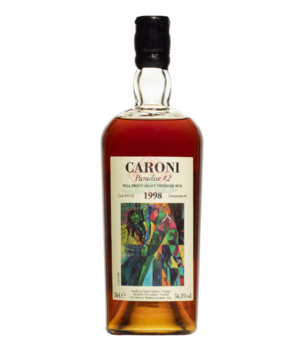
Caroni Paradise 1998 #2 (Velier) Incl. Box
Very last one in stock!
Caroni Paradise 1998 #2 is a Trinidad rum with a story that immediately sets it apart. Distilled in 1998 at the now-closed Caroni Distillery, it was bottled by Velier as a single cask rum at cask strength. This places it in a very specific category: not everyday rum, but a rare release drawn from the remaining stocks of a distillery that stopped producing in 2002.
The Paradise name refers to the way selected Caroni casks were transferred after the Caroni Ceremony of 12 April 2019 into 54-litre glass demijohns. This bottling comes from cask #3918, a bourbon barrel, with only 230 bottles produced. At Drankenshop Broekmans, this is the kind of bottle we like to introduce with some context, because the closed distillery, the single cask origin and the tiny outturn are all part (…)Caroni Paradise 2000 #5 (Velier) Incl. Box
COLLECTOR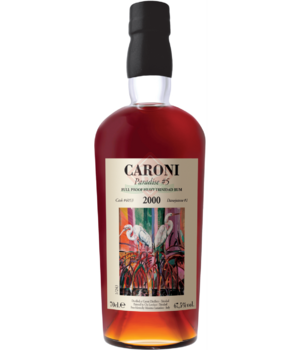
Caroni Paradise 2000 #5 (Velier) Incl. Box
In stock
Caroni Paradise 2000 #5 is the kind of rum where the background matters as much as the liquid in the glass. It comes from Trinidad's closed Caroni distillery and was released by Velier as part of the Paradise series. That series is tied to the late selection of remaining Caroni casks, including the parcels chosen during the Caroni Ceremony on 12 April 2019.
This release comes from a single cask, #4053, distilled in 2000 from molasses on a traditional column still. Its wood maturation took place in the tropics; after 2019 the rum was transferred into 54-litre glass demijohns and stored in the Cognac region, in the so-called Paradis cellars. That glass period is rest and preservation rather than further oak ageing, keeping the identity of the original cask firmly in focus.
Chamarel 2017 Habvel Incl. Box
132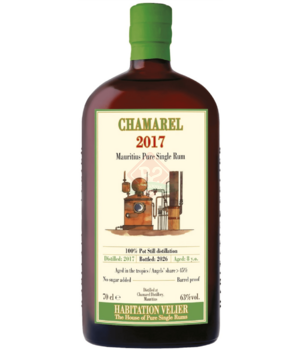
Chamarel 2017 Habvel Incl. Box
In stock
Chamarel 2017 Habvel is a Mauritian rum from Velier, made from fresh sugar cane juice and distilled in pot stills. It sits firmly in the world of cane juice rum, yet its origin on Mauritius and its concentrated presentation give it a very distinct voice.
The rum comes from Rhumerie de Chamarel, where sugar cane from the estate is used. The juice is fermented before double distillation in pot stills, a process described in the supplied information as inspired by the Charentais method. This 2017 release then receives a Cognac Finish and is bottled at cask strength: 63% ABV.
At Drankenshop Broekmans, this is the kind of bottle we look at for its clarity of origin and production. Habitation Velier focuses on transparency around distillery, raw material, (…)Clairin Casimir 2020
LAST PIECES60360° view available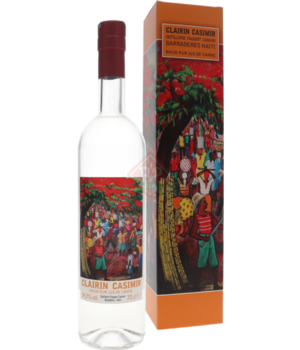
Clairin Casimir 2020
On request only
Clairin Casimir 2020 is a Haitian rum bottled by Velier, and its identity is clear from the outset. At Drankenshop Broekmans, this is the kind of bottle that stands out because it points to a very specific origin rather than presenting itself as a generic rum.
Bottled at 54.3% alcohol, it has a firm presence and is best approached as a rum with real strength in the glass. The appeal here lies in that directness and in the clear connection to Haiti carried by the Clairin Casimir name.
It has also proved popular, and only the last bottles remain. That gives this 2020 release a sense of limited availability without needing any exaggerated claims around it.
No specific tasting notes are provided for Clairin Casimir 2020. What can be said with (…)Clairin Casimir 2021
59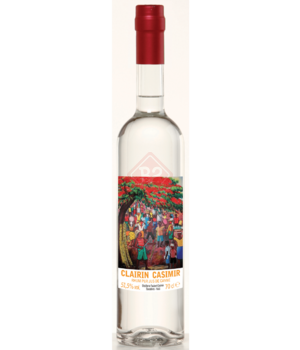
Clairin Casimir 2021
On request only
Clairin Casimir 2021 is a Haitian sugar cane juice rum from Barradÿres, released under the Velier name. Its identity is rooted in small-scale craft: Faubert Casimir grows white and red Hawaii cane on 50 hectares, continuing the legacy of his father Duncan.
The interest here lies in the way the fully ripe cane is handled. It is combined with fermenting pure cane sugar, while lemongrass leaves, cinnamon and sometimes ginger are added during distillation to deepen the aromatic character. Rather than showing a wood-led style, this clairin speaks through flowers, spice and fruit, with a light vegetal edge that keeps it close to the cane.
At 51.5% alcohol, Clairin Casimir 2021 has real presence, yet its appeal is not just strength. At Drankenshop Broekmans, we (…)Clairin Communal
42360° view available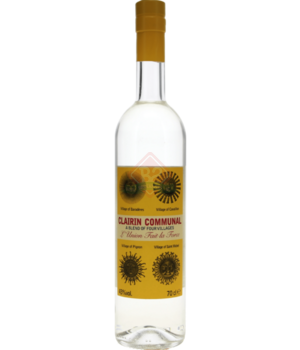
Clairin Communal
In stock
Clairin Communal from Velier presents Haitian sugar cane juice rum in a direct and expressive way. Its interest does not come from an age statement or a strong wood influence, but from the distillate itself: pot still produced, with fruit and spice clearly shaping the profile.
At Drankenshop Broekmans, this is the kind of bottle we see as a good introduction to a different side of rum, away from more familiar molasses-led styles. Clairin Communal keeps the focus on Haiti, sugar cane juice and a straightforward distillation character.
Bottled at 43%, it has enough strength to show its personality without feeling heavy. Light floral and vegetal touches add detail around the fruitier and spicier core, giving the rum a clearly recognisable identity.
Clairin Le Rocher 2020
LAST PIECES58360° view available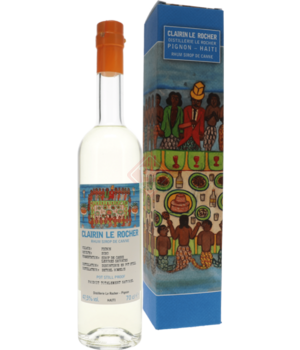
Clairin Le Rocher 2020
On request only
Clairin Le Rocher 2020 is a Haitian rum made from sugar cane juice and bottled by Velier. What makes it stand out is its straightforward presentation: distilled in 2020, produced on a pot still, released without an age statement and bottled at cask strength at 47.5%.
At Drankenshop Broekmans, this is the kind of rum we place in front of customers who want to understand the origin and production behind the bottle. Rather than leaning on a stated age, it presents a specific 2020 distillate from Haiti, with Velier's name attached to the bottling.
It has also become a well-liked release, and only the last bottles remain in our selection. That gives Clairin Le Rocher 2020 a more fleeting character than a standard permanent bottling.
No specific (…)Clairin Sajous 2021 Incl. Box
60360° view available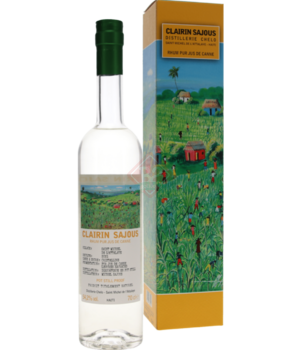
Clairin Sajous 2021 Incl. Box
In stock
Clairin Sajous 2021 shows a vivid, unpolished side of Haitian rum, made from fresh sugar cane juice rather than molasses. It comes from Michel Sajous, a third-generation distiller, at Distillerie Chelo near the village of Saint-Michel de l'Attalaye.
The distillery is surrounded by organically grown sugar cane, including the rare Cristalline variety. The cane is harvested by hand between December and August, and the fresh juice ferments naturally for 5 to 7 days with wild yeasts. That process gives this clairin its expressive, earthy and aromatic personality.
Bottled at 54.2%, Clairin Sajous keeps its intensity very much intact. At Drankenshop Broekmans, this is the kind of bottle we like to present to customers who want to taste a spirit with a clear sense of (…)Clairin Sajous 2023
LAST PIECES60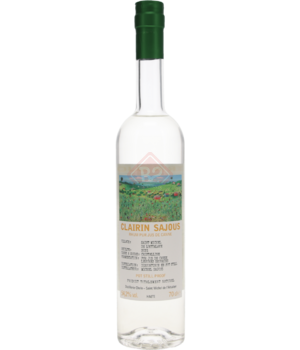
Clairin Sajous 2023
On request only
Clairin Sajous 2023 is a vivid introduction to Haitian sugar cane juice rum in its most direct form. It is made in Saint-Michel de l'Attalaye by Michel Sajous, using Cristalline sugar cane grown through artisanal farming.
The strength of this release lies in how closely everything remains tied to its place of origin. Harvesting and distillation take place locally, with the spirit distilled in a traditional pot still and made without any additions. The result is a clear, unembellished expression of Haitian rural tradition and terroir.
At Drankenshop Broekmans, this is the kind of rum we like to present to customers who want something with real origin and a strong sense of identity. Bottled at 55.2%, Clairin Sajous 2023 has plenty of presence, but its main (…)Clairin Sonson 2023
58360° view available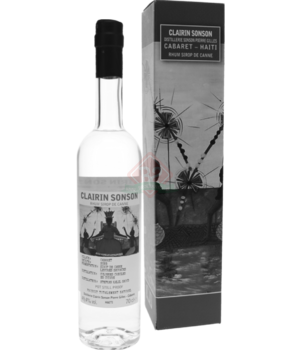
Clairin Sonson 2023
Temporarily sold out
Expected: 09/12/2026Clairin Sonson 2023 comes from Cabaret, northwest of Port-au-Prince, where Stephan Sonson produces this Haitian rum from fresh sugar cane juice. What sets it apart is the cane itself: Madame Meuze, a rare Haitian variety grown by hand without chemicals.
Distilled in a traditional pot still, it keeps the rural, direct nature of Clairin firmly in view. The focus is not on oak influence or long ageing, but on a clear expression of raw material, place and craft. At 49.4%, it has presence, yet the style remains precise rather than heavy.
In the rum selection at Drankenshop Broekmans, this bottling speaks to drinkers interested in sugar cane juice rum with a strong sense of origin: pure, terroir-driven and closely tied to its Haitian roots.
On the (…)Clairin Vaval 2022
LAST PIECES60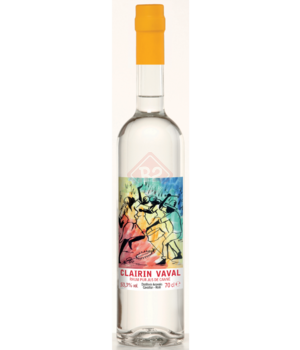
Clairin Vaval 2022
On request only
Clairin Vaval 2022 comes from Cavaillon in Haiti, where the Arawaks distillery produces rum in an artisanal way from fresh sugar cane juice. The cane variety is Madame Meuze, and that detail matters here: this is a spirit built around the direct expression of freshly pressed cane.
Fermentation is spontaneous, using wild yeasts naturally present on the sugar cane and in the surrounding air. Fritz Vaval then distils it traditionally in a pot still. At Drankenshop Broekmans, this is the kind of rum we like to present when someone wants to understand how characterful and distinctive sugar cane juice rum can be.
Bottled at 53.3%, Clairin Vaval 2022 has strength, but its story is really about purity and origin: fresh cane juice, delicate floral notes, tropical (…)Clairin Vieux Communal
NEW120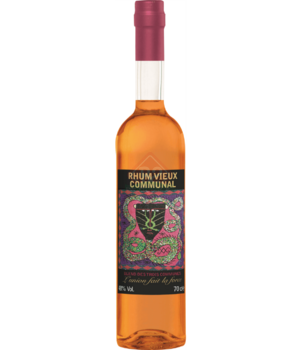

Clairin Vieux Communal
In stock
Clairin Vieux Communal gives a vivid impression of what makes Haitian clairin so distinctive within the world of rum. Part of The Spirit of Haiti project, it brings together four aged clairins: Vieux Sajous 2017 from a Mount Gay cask, Vieux Sajous 2021 from a Buffalo Trace cask, Vieux Le Rocher 2021 from a Jack Daniel's cask and Vieux Vaval 2019 from a Buffalo Trace cask.
Rather than focusing on one single distillery voice, this bottling presents a communal view of traditional Haitian craftsmanship. Made from pure sugar cane juice and sugar cane syrup, distilled in pot still and bottled at 48%, it has the strength and clarity to carry its fruity, floral and gently spiced character with confidence.
At Drankenshop Broekmans, this is the kind of rum we like to (…)Clairin Vieux Sajous 5y 57,50° (La Maison & Velier)
LAST PIECES128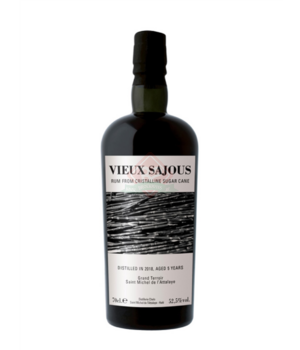
Clairin Vieux Sajous 5y 57,50° (La Maison & Velier)
On request only
Clairin Vieux Sajous 5y presents Haitian clairin in a more mature register, while staying close to its sugar cane juice origin. Bottled by Velier, it is linked to Michel Sajous and the Chelo distillery, with five years of ageing in Haiti's tropical climate shaping the spirit.
This second edition of Vieux Sajous follows the first cuvée released in 2020. It is a blend of 14 casks that previously held notable rums, whiskies and cognacs. That cask history brings wood, spice and depth into the picture, yet the identity of Clairin remains central rather than being covered by maturation.
At Drankenshop Broekmans, we see this as a compelling bottle for drinkers interested in aged cane spirits with a clear sense of origin. At 57.5% alcohol it has real presence, (…)
Frequently asked questions
Answers to most frequently asked questions about rum
What is rum?
Rum is a liquor made from sugar cane. It can be made via molasses (the syrupy by-product of sugar production) or via fresh sugarcane juice. After fermentation and distillation, you have the base, which is then often aged in wooden barrels. As simple as it sounds, the result is versatile: from light and fresh to deep and complex.
Europe has imposed rules and distinguishes between "rum" and "spirit drink". A drink can only be called rum if it:
-
is made from sugar cane products
-
is fermented and distilled
-
has a maximum alcohol content of 96% at distillation
-
contains at least 37.5% alcohol at bottling
-
contains no flavourings or large quantities of sugar
If producers do use extra flavourings, lots of sugar or other additives, it legally becomes "spirit drink" or "spirituose" instead of rum.
What is the difference between rum and spirit drink?
In Europe, this difference has come about mainly because of stricter and clearer rules around protected drink categories. "Rum" is not a non-committal marketing term in the EU, but a legally defined category. If a product does not exactly meet that definition, it can no longer officially be called rum and must be sold as a "spirit drink", for example.
The main rules are in the European geographical indications and spirit legislation, now under Regulation (EU) 2019/787.
The heart of the problem usually lies in one of these points:
- Added flavourings
Real rum may not simply be flavoured with, say, vanilla, chocolate or other distinct flavourings if it is still to be called "rum". Once the additives fall outside the permissible limits, it legally becomes a "spirit drink". - Added sugar or sweeteners
There are limits on how much sugar or sweetening can be added without losing the "rum" category. Some producers used to add relatively large amounts of sugar to make the drink softer or fuller. Stricter controls required those products to be relabelled. - Alcohol from other raw materials
Rum must come from sugar cane products such as molasses or sugar cane juice. If neutral alcohol of other origin is added (e.g. grain alcohol), the product falls outside the definition. - Production method or strength
Minimum alcohol percentages and production methods are also set by law.
Especially in recent years, enforcement has become stricter. As a result, you see that some brands that were sold as rum for years suddenly got "spirit drink", "spiced spirit drink" or "rum-based spirit drink" on the label.
A well-known example are certain "spiced rums". Many consumers still call them rum, but legally some of them cannot be called rum in Europe because they are too strongly flavoured or sweetened.
That does not necessarily mean the quality is worse - just that the product no longer fits within the strict EU definition of rum. Some enthusiasts actually find these stricter rules positive, as it makes it clearer what is pure rum and what is a flavoured variety.
Which rum is tasty?
The question "which rum is good?" seems simple, but the answer depends entirely on personal taste. Instead of immediately reaching for specific bottles, it makes more sense to first consider what you would like to drink. Do you like soft, sweet flavours like vanilla, caramel and honey, or do you rather prefer fresh and light notes like citrus and coconut? Maybe you just go for something more powerful with wood, spices and cocoa, or even a more pronounced, funky style with ripe fruit and an almost wild intensity. After all, rum is one of the most diverse spirits, and "tasty" means something different to everyone.
In addition, the moment also plays a role. A light, fresh rum comes into its own in cocktails and on hot days, while a richer, fuller rum is better suited to drinking on its own or as a digestif. There are also styles that sit somewhere in between: accessible enough for mixed drinks, but with enough character to appreciate solo as well.
By approaching the question in this way, you will not only discover what you yourself find a tasty rum, but you will also eventually begin to better understand why that rum suits you.
What types of rum are there?
The best-known subdivisions are white, gold and dark. White rum is bright, fresh and perfect for cocktails like mojito or daiquiri. Golden rum has a bit more body thanks to a short maturation. Dark rum matures longer and develops rich, spicy notes that you can safely drink pure. And then there is spiced rum, where spices like vanilla or cinnamon give it an extra sweet twist.
Broadly speaking, you can distinguish the following styles:
- White rum: clear and light in flavour
- Gold rum: golden, richer flavour than white rum with notes of caramel and vanilla
- Dark rum: dark, deep in colour, with rich and complex flavours such as molasses, chocolate and spices
- Spiced rum: flavoured with spices such as cinnamon, cloves and vanilla
- Overproof rum: high alcohol content, often above 50%
- Flavored rum: Added flavours such as coconut, pineapple or mango
What is English-style rum?
This rum is known for its full, rich and complex flavours. The English-style rum often has notes of molasses, caramel, fruit and spices.
This style rum is made from molasses and is often distilled in pot stills, resulting in a robust flavour profile. According to American Chemical Society, rums from pot stills contain more esters and higher alcohols, which contribute to the complex flavour.
Countries where the specific style of rum is traditionally produced include Jamaica, Barbados, Guyana and Trinidad. Well-known brands of English-style rums include Appleton Estate, Mount Gay and El Dorado.
What is Spanish-style rum?
Spanish-style rum ("Ron") is lighter and sweeter, with a smooth and refined taste. These rums often have notes of vanilla, caramel and tropical fruit.
It is made from molasses and often distilled in column stills, resulting in a lighter, purer rum. Column stills allow for more efficient distillation, giving the rum a more consistent character. Furthermore, these rums are often aged in a so-called Solera system.
Countries where the specific style of rum is traditionally produced: Cuba, Puerto Rico, Dominican Republic and Venezuela, brands like Bacardi, Ron Zacapa and Havana Club probably sound familiar.
What is Rhum Agricole (French style)?
French-style rum has an earthy, grassy and sometimes floral flavour. It is often complex and can range from light and fresh to rich and spicy. It is a real "love it or hate it" type of rum: some swear by it and others revile it.
This rum is made from freshly squeezed sugarcane juice and usually distilled in pot stills. Production often follows strict standards, such as the AOC (Appellation d'Origine Contrôlée) in Martinique, ensuring consistent and high-quality production.
Countries where this particular style of rum is traditionally produced: Martinique, Guadeloupe and Haiti. Well-known brands include Rhum Clément, Rhum JM and Barbancourt.
What do VS, VSOP and XO mean?
Unlike with cognac, these designations are not regulated within rum. These designations in rums therefore often say more about quality or style, but do not necessarily refer to an explicit (minimum) age of the spirit in the bottle.
How strong is rum?
Most rums are around 37.5% to 40% alcohol. But beware: there are also so-called overproof rums that easily exceed 60%. These will immediately spice up your cocktail - or provide a solid punch when drunk straight.
What is the difference between rum, cachaça and rhum agricole?
It's all in the base. Rum is usually made from molasses, while cachaça (from Brazil) and rhum agricole (from the French Caribbean) always come from fresh sugarcane juice. The result? Agricole and cachaça often have a somewhat grassy, spicy touch, while rum tends to be rounder and softer.
What rum do you use for cocktails?
For fresh mixed drinks such as a mojito or daiquiri, it is best to choose a light white rum. Tiki cocktails or a Dark 'n Stormy, on the other hand, get more depth from a dark or spicy rum. In short: your choice of rum makes all the difference in your glass.
Which rums can you drink pure?
Aged rums from Barbados, Jamaica or the Dominican Republic, for example, are often smooth, complex and ideal to enjoy pure. They can easily compete with a good whisky or cognac in terms of depth.
How does rum taste compared to whisky or brandy?
Rum tends to be sweeter and rounder thanks to the sugar cane. Whisky can be malty, spicy or smoky, while brandy is more likely to have fruity, wine-like notes. A matter of taste, but rum often has a more tropical character.
What is the maturation process for rum?
Rum usually matures in ex-bourbon barrels. Due to the warm climate in the Caribbean, this is faster than for whisky in Scotland. As a result, an 8-year-old rum can already taste surprisingly intense.
What is the difference between pot still rum and column still rum?
- Pot still-rum is rich, powerful and complex because it is distilled in smaller batches.
- Column still-rum is lighter and cleaner, ideal for blending.
Many brands combine both styles to get a balanced profile.
What does "solera" or "solera system rum" mean on a rum bottle?
Solera System rum refers to a maturation method where young and old rums flow together. In a Solera System, barrels of different ages are stacked on top of each other, with the oldest rum sitting at the bottom. Bottles are filled from these lower barrels, and then the barrel is replenished with rum from the row above, and so on. The result is a blend of quite a few different ages that results in a flavourful, complex final product that is still consistent in quality, style and recognisability. Because the oldest barrels at the bottom are always diluted with younger rums, the final product in a properly functioning Solera system, after decades of production, basically still contains traces of the very first, oldest rum the process ever started with.
The year number on the bottle then often refers to the oldest rum in the blend, not the average age.
Is rum always made from sugar cane?
Yes, that is a must. Whether it is molasses or sugarcane juice, rum must always come from sugarcane. Other sugars (beet, palm, etc.) are officially outside the definition.
The base for a rum can usually be reduced to one of the following groups:
- Molasses (molasses, syrup): Molasses is fermented and distilled, after which the rum can be aged in barrels. Molasses is a by-product of sugar production and contains many sugars that are converted into alcohol and complex flavourings during fermentation.
- Suger Cane Juice : This rum is known for its natural, unadulterated taste of sugar cane. In this rum, the juice is directly fermented and then distilled.
- Spiced rum: Base rum to which spices and sometimes additional flavours are added during or after the distillation process.
- Sugar Cane Syrup: Sugar cane syrup is fermented and distilled. The use of sugar cane syrup gives the rum a more concentrated and pure sugar cane flavour.
- Sugar Cane Honey: This substance, also known as "miel de caña" in Spanish, is a thick, syrupy liquid obtained by boiling the juice of sugar cane until it thickens, but before it crystallises into sugar. This method is less common and results in a rum with a unique, rich flavour.
- Arranged rum: Base rum is mixed with various flavourings and left to macerate for some time. This gives the rum a distinct and often sweet profile.
What is molasses?
Molasses is a syrupy by-product of sugar refining. It is created when sugar cane or sugar beet is processed to produce sugar.
What is the difference between white and dark rum?
The difference between white and dark rums is mainly in the production methods and ageing times, resulting in different flavours, colours and uses. White rum is clear and translucent, has a mild and light flavour with subtle notes, and is often aged for a shorter time than dark rum, usually in stainless steel tanks or neutral barrels to preserve its colour. This rum type is popular in cocktails such as mojitos and daiquiris, where a subtle rum flavour is desired without affecting the colour of the drink.
Dark rum, on the other hand, is dark brown to almost black in colour, with a rich and full-bodied flavour that contains complex notes of caramel, vanilla and sometimes spices. This rum is aged longer in oak barrels, which contributes to its dark colour and rich flavour. Sometimes caramel is also added for extra colour and flavour. Dark rum is often used in cocktails where a stronger rum flavour is desired, such as in a rum old fashioned, or drunk pure as a sipping rum.
What is the history of rum?
Rum was first produced in the Caribbean in the 17th century, with the first documented production in Barbados around 1650. Production quickly spread to North America, especially to the colonies in New England, where rum became an important trade product.
Rum played a crucial role in the transatlantic slave trade, also known as the Triangular Trade. Slaves from Africa were brought to the Caribbean to work on sugar cane plantations, while sugar and rum were shipped to Europe and North America. Locals and workers often had access to the rum produced locally, making it a popular drink among the lower social classes. This gave rum a negative connotation and it was seen as the drink for the poor. Today, this image has completely changed is rum is a versatile and popular drink.
Why is rum so strongly associated with pirates?
In the 17th and 18th centuries, rum was the means of payment and exchange in the Caribbean. Sailors often received a ration of rum as part of their wages. No wonder pirates and rum have been inextricably linked ever since.
Where can I buy rum?
Basic rums like a brown Havana Club can be found in any shop or supermarket these days, but there is so much more! With over 1,000 rums in our range, Drankenshop Broekmans is the right place for all your rum needs, no matter what colour, flavour, profile, brand, country or price range you are looking for.
